Welcome to XiYu

CNC Turning vs CNC Milling: Key Differences
Compare CNC turning and CNC milling by geometry, features, quantity, and setup needs to choose the right manufacturing process for your custom part.

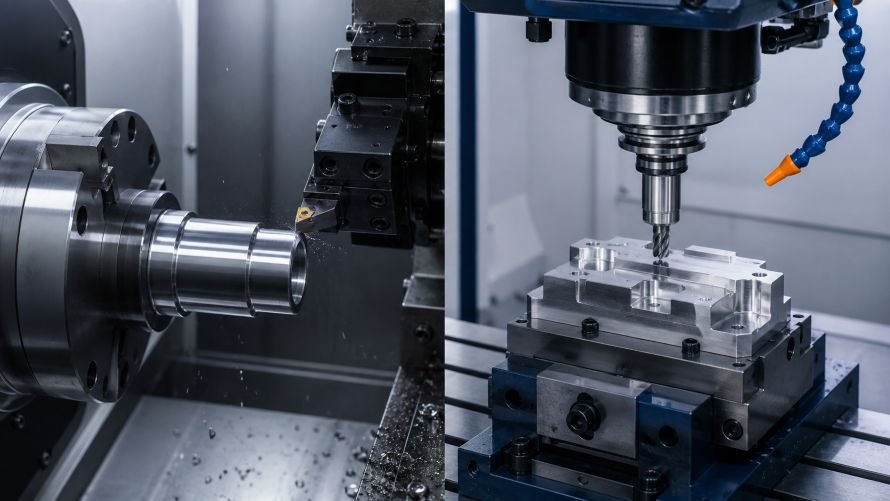
CNC turning vs CNC milling are both subtractive manufacturing processes, but they remove material in different ways and are suited to different part geometries.
The most important question is not simply which process is “better.” It is whether the part’s shape, features, functional requirements, quantity, and production plan fit turning, milling, or a combination of both.
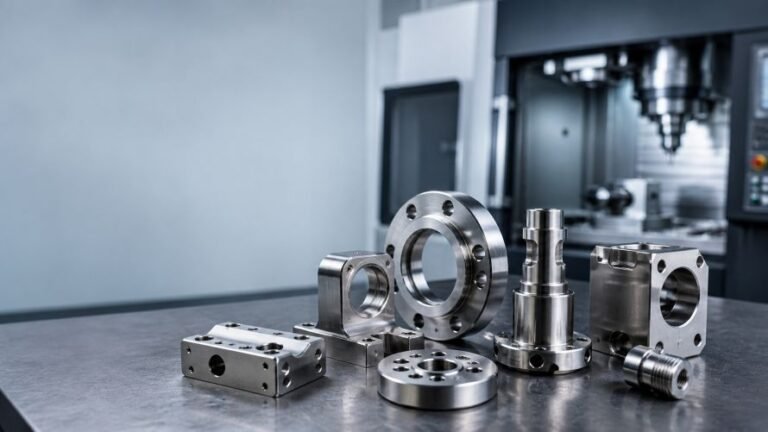
For a part that is mainly round, cylindrical, tapered, or threaded, CNC turning is often the logical starting point. For a part with flat faces, pockets, slots, angled surfaces, or complex non-round features, CNC milling may be more appropriate.
The Core Difference Between CNC Turning and CNC Milling
In CNC turning, the workpiece rotates while a cutting tool removes material. The process is commonly used to create rotationally symmetric features such as diameters, shoulders, bores, grooves, and threads.
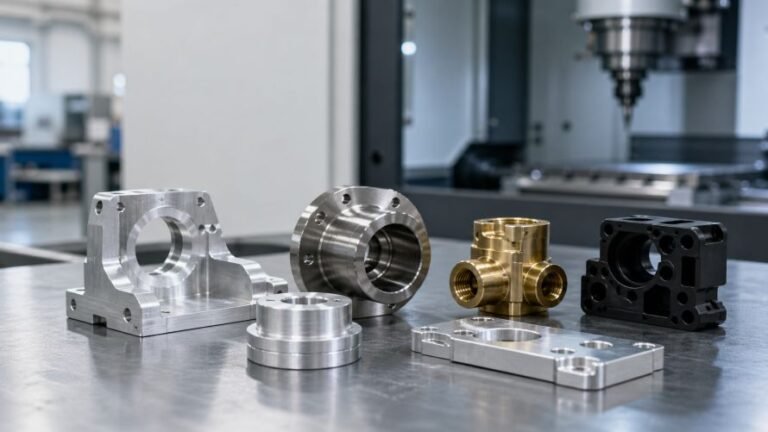
In CNC milling, the cutting tool rotates while the workpiece is secured in a vise, fixture, or other workholding system. The cutter moves along programmed paths to create flat surfaces, pockets, holes, slots, contours, and other non-round features.
Both processes can produce precision parts. The best choice depends on the part design and how the component will function in its final assembly.
CNC Turning vs CNC Milling: Quick Comparison
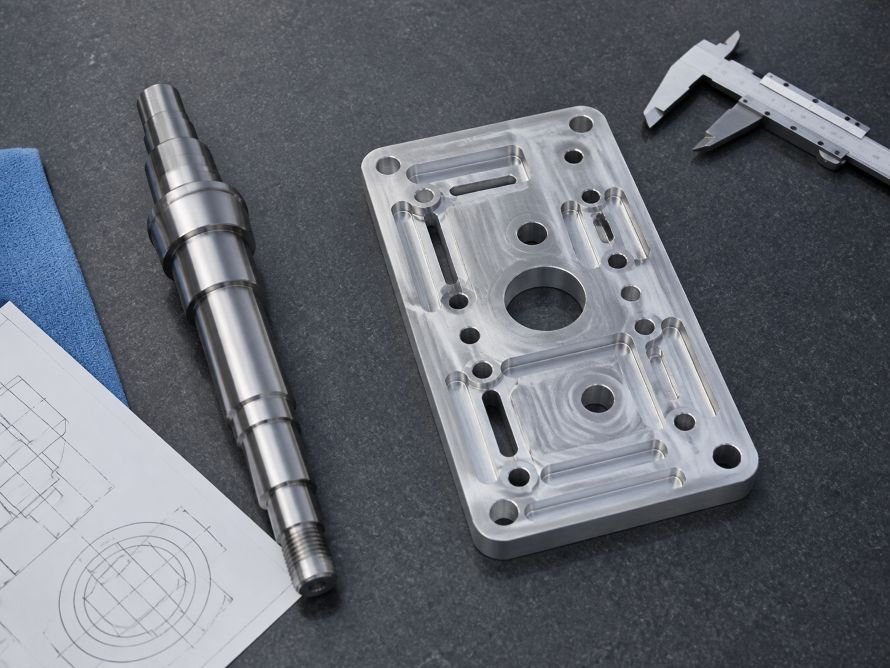
| Factor | CNC Turning | CNC Milling |
|---|---|---|
| Primary motion | Workpiece rotates | Cutting tool rotates |
| Best-suited geometry | Round, cylindrical, tapered, rotationally symmetric | Flat, prismatic, angled, or feature-rich |
| Typical features | Diameters, bores, grooves, threads, shoulders | Pockets, slots, holes, profiles, flat faces, contours |
| Common parts | Shafts, bushings, spacers, pins, fittings | Plates, housings, brackets, fixtures, custom mechanical parts |
| Workholding | Chuck, collet, or turning fixture | Vise, clamps, fixture, or machine table setup |
| Process selection | Efficient for rotational features | Flexible for non-round and complex features |
This comparison is a useful starting point, but it should not replace a drawing review. A part can have both turned and milled features, and the production sequence may affect cost, inspection planning, and overall manufacturability.
When CNC Turning Is a Better Fit
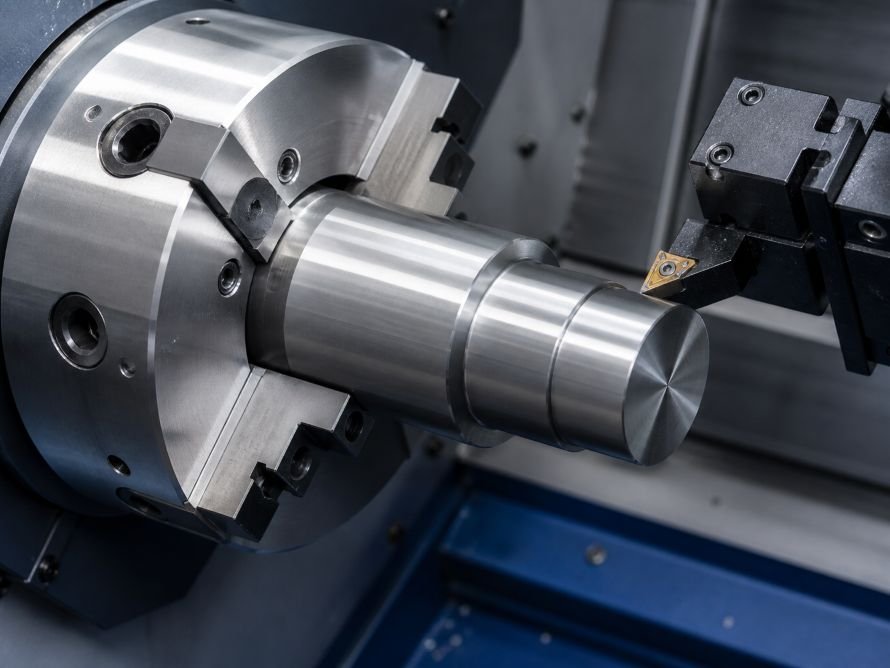
CNC turning is generally well suited to a component whose main geometry revolves around a centerline. Examples include shafts, collars, threaded adapters, bushings, pins, sleeves, and round connector components.
Turning may be a strong option when the design includes:
- Multiple outside diameters
- Internal bores
- Threads
- Grooves
- Tapered profiles
- Concentric functional surfaces
- Rotational symmetry
For a more detailed explanation, see our guide on what CNC turning is and when it is used.
The process can be especially efficient when the majority of the required features can be produced from a bar, blank, or cylindrical preform without repeated repositioning.
When CNC Milling Is a Better Fit
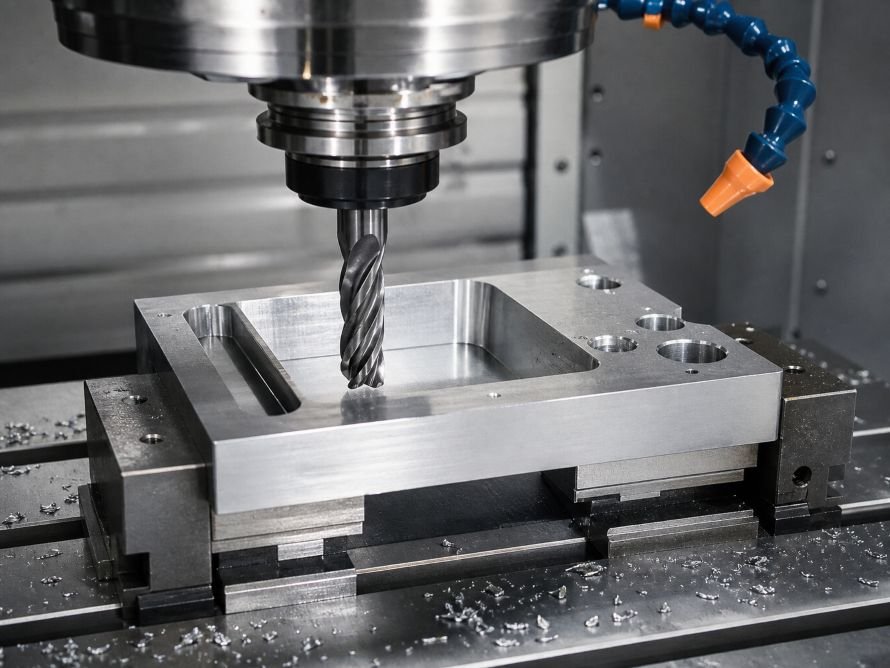
CNC milling is generally more suitable when the part requires non-round geometry or detailed features on multiple faces.
Milling may be the better choice when the design includes:
- Flat mounting surfaces
- Pockets and cavities
- Slots and keyways
- Cross-holes
- Irregular profiles
- Angled surfaces
- Complex three-dimensional contours
A milling process can also be useful when a part needs design flexibility during prototype development or when the geometry is not centered around a single rotational axis. For more detail, see what CNC milling is and how it works.
Can One Part Need Both Turning and Milling?
Yes. Many custom components combine rotational and non-round features.
For example, a shaft may require turned diameters and threads, then milled flats, cross-holes, or keyways. A cylindrical housing may require a turned bore and outside diameter, followed by milled mounting features.
In these cases, the manufacturing review should consider:
- Which features are critical to function
- The best initial workholding method
- Whether the part needs multiple setups
- How dimensions will be referenced during inspection
- Whether combining operations can reduce handling or avoid unnecessary re-clamping
The process sequence should be based on the actual drawing and manufacturing requirements. It should not be assumed from the part’s general appearance alone.
How Part Quantity Affects the Decision
Quantity is one factor in process selection, but it is not the only factor.
For prototypes and lower-volume projects, CNC machining can offer flexibility because parts can be produced from digital drawings without dedicated production tooling. For repeat production, the chosen process should be evaluated alongside setup time, material use, inspection requirements, and the total number of parts needed.
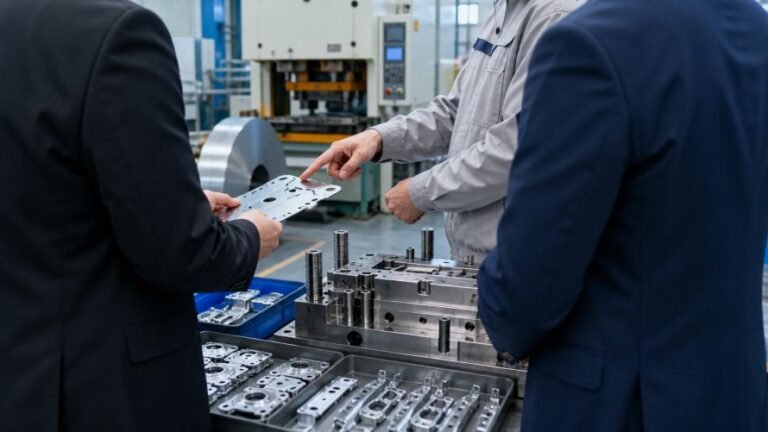
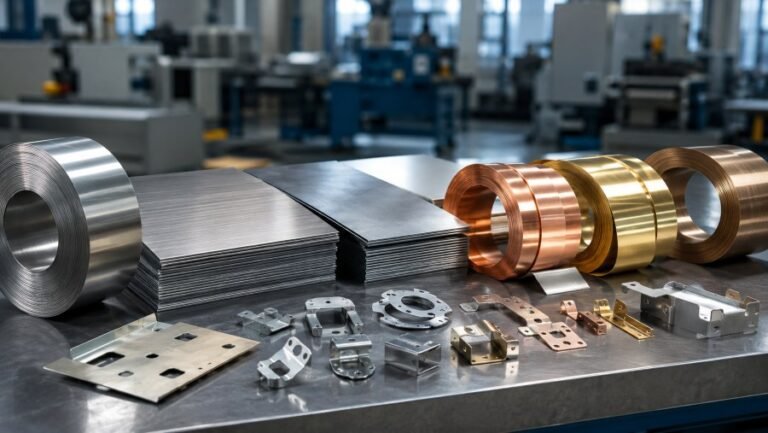
When a component is made from sheet metal and production volume is high enough to justify dedicated tooling, precision stamping may be an alternative worth evaluating. Our article on precision metal stamping explains how that process differs from machined-part production.
Information to Provide for a Process Review
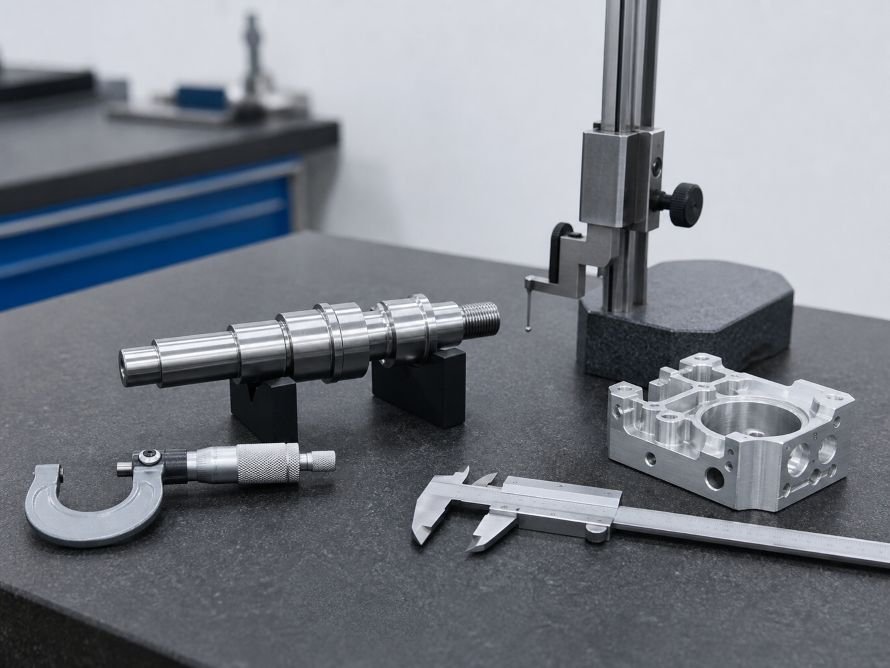
To evaluate CNC turning, CNC milling, or a combined approach, prepare as much of the following information as possible:
- 2D drawings and 3D CAD files
- Material specification
- Required quantity and expected repeat volume
- Critical dimensions and tolerances
- Thread, hole, or surface-finish requirements
- Functional interfaces and assembly considerations
- Inspection, packaging, and delivery requirements
If a design is still being developed, identify the features that are most important to fit and function. This helps the manufacturing review focus on process feasibility before secondary details are finalized.
For a wider buyer framework that connects process choice with materials, tolerances, cost, prototypes, quality checks, and supplier evaluation, see our custom CNC sourcing guide.
How Xiyu Supports Process Selection
Dongguan Xiyu Hardware & Electronic Co., Ltd. supports custom manufacturing projects across CNC machining, CNC lathe machining, precision stamping, stamping mold design and manufacture, and sheet metal fabrication.
For projects with multiple manufacturing options, an early technical discussion can help clarify which process—or combination of processes—best fits the part geometry and sourcing requirements.
FAQ
Is CNC turning cheaper than CNC milling?
It depends on the part. Turning can be efficient for rotationally symmetric components, while milling may be necessary for non-round features. Cost should be evaluated based on geometry, material, setup, machining time, tolerance requirements, quantity, and any secondary operations.
Can CNC milling make round parts?
Yes. CNC milling can machine round features, but CNC turning may be a more direct and efficient process when the part is primarily cylindrical or rotationally symmetric.
Can a part be turned first and then milled?
Yes. A component may be turned to create diameters, bores, or threads and then milled to add flats, slots, cross-holes, or other non-round features. The optimal sequence should be determined through a manufacturing review.
Request a Manufacturing Review
Send your drawing, CAD file, material requirement, and expected quantity to our team for an initial process review. We can help assess whether CNC turning, CNC milling, precision stamping, or a combined approach is more suitable for your project.