Welcome to XiYu

What Is CNC Turning and When Is It Used?
Learn how CNC turning works, which parts it is suited to, and what information to prepare before requesting a quote for custom turned components.

CNC turning is a subtractive machining process used to produce round, cylindrical, tapered, or rotationally symmetric parts. During the operation, the workpiece rotates in a chuck or collet while a programmed cutting tool removes material to create the required shape.
The process is widely used for shafts, pins, bushings, spacers, threaded components, connectors, and other custom metal parts with turned features. For engineers and buyers, CNC turning is often a practical option when a design is centered on diameters, bores, shoulders, grooves, or threads.
How CNC Turning Works
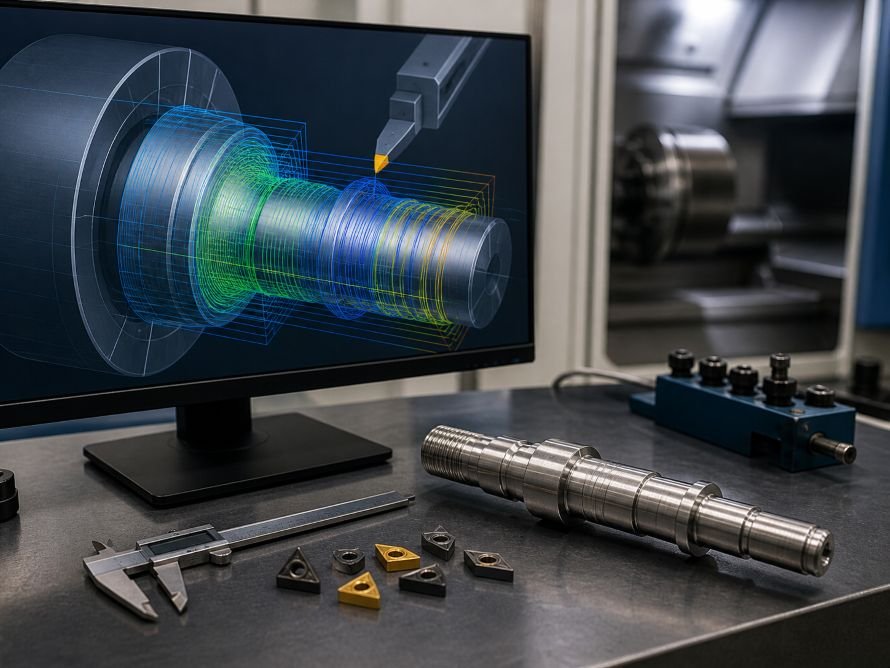
A CNC turning machine, commonly called a CNC lathe or turning center, follows programmed instructions to coordinate the movement of the cutting tool with the rotation of the workpiece.
A typical workflow includes:
- Reviewing the part design
The machining team reviews the drawing or 3D model to identify diameters, lengths, threads, bores, grooves, surface requirements, and critical dimensions. - Preparing the program and tooling
CAM software is used to create toolpaths. Appropriate turning tools are selected for facing, roughing, finishing, grooving, threading, drilling, boring, or parting operations. - Securing the workpiece
Bar stock, forgings, or pre-cut blanks are held in a chuck, collet, or fixture. Stable workholding is important because the workpiece rotates during machining. - Machining the part
The cutting tool moves along programmed paths while the material rotates. Multiple passes may be used to remove stock gradually and finish critical diameters or surfaces. - Inspecting and finishing
The completed part may be deburred, cleaned, treated, assembled, or inspected according to the drawing and project requirements.
What Parts Are Suitable for CNC Turning?
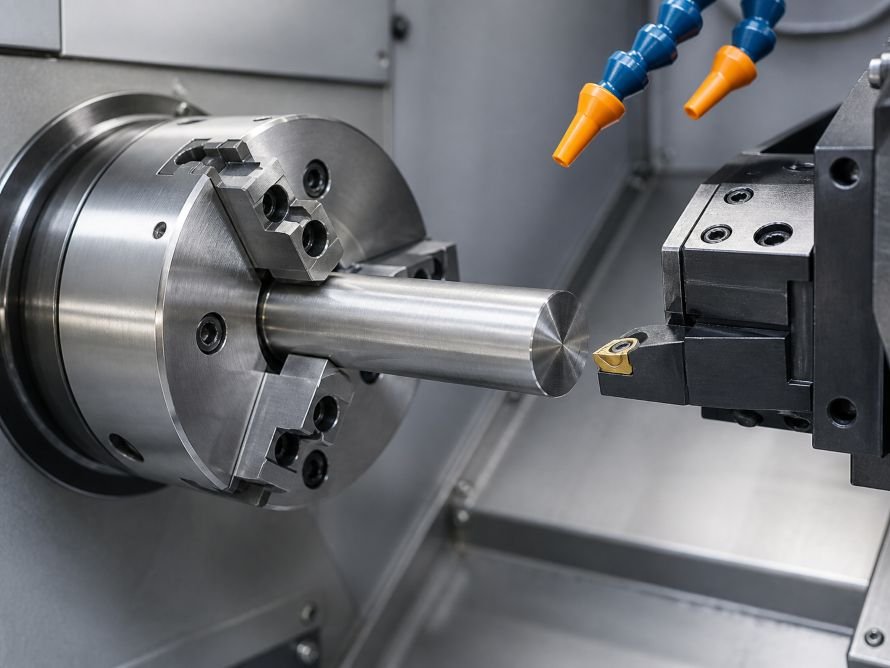
CNC turning is especially suitable for components with rotational symmetry. Common examples include:
- Shafts and axles
- Bushings and spacers
- Pins and dowels
- Threaded fasteners and fittings
- Collars, rings, and sleeves
- Valve and connector components
- Cylindrical housings and adapters
Turning can also be combined with secondary processes when a part requires cross-holes, flats, keyways, or other non-round features. The most suitable process depends on the overall geometry, material, required quantity, and functional requirements.
Common CNC Turning Operations
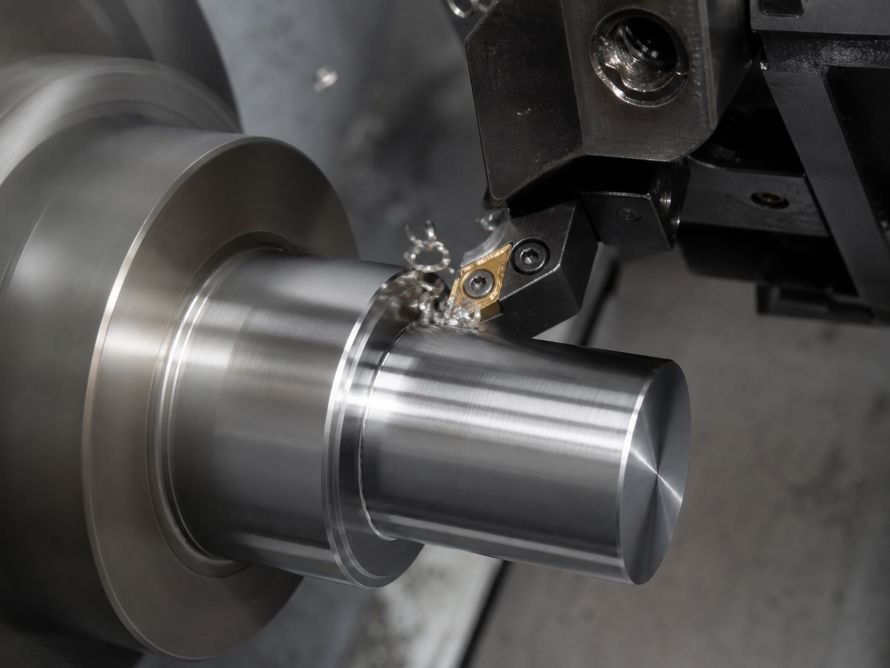
Different turning operations create different features on a component:
| Operation | Typical purpose |
|---|---|
| Facing | Creates a flat end surface |
| External turning | Reduces or finishes an outside diameter |
| Internal boring | Enlarges or finishes an internal diameter |
| Grooving | Creates internal or external grooves |
| Threading | Produces external or internal threads |
| Drilling | Produces holes along the centerline |
| Parting | Separates the finished part from bar stock |
A single part may require several of these operations. Good process planning helps determine the setup sequence, appropriate tools, inspection points, and any secondary manufacturing steps.
CNC Turning vs. CNC Milling
The key difference is the movement of the workpiece and cutting tool.
In CNC turning, the workpiece rotates while the cutting tool shapes it. This makes turning efficient for round or cylindrical parts.
In CNC milling, the cutting tool rotates while it moves around a secured workpiece. Milling is often better suited to flat, prismatic, angled, or feature-rich components.
For a detailed overview of the milling process, see our article on what CNC milling is and how it works.
Some projects use both processes. For example, a part may need turned diameters and threads as well as milled flats, slots, or cross-holes. The manufacturing approach should be reviewed against the drawing rather than selected by part name alone.
Materials Commonly Used for CNC Turning
CNC turning can be used with a broad range of materials, including:
- Aluminum alloys
- Stainless steel
- Carbon steel and alloy steel
- Brass and copper alloys
- Engineering plastics
Material choice affects machinability, strength, corrosion resistance, surface requirements, component weight, and cost. It should be considered together with the part’s function and production requirements.
Information to Prepare for a CNC Turning Quote
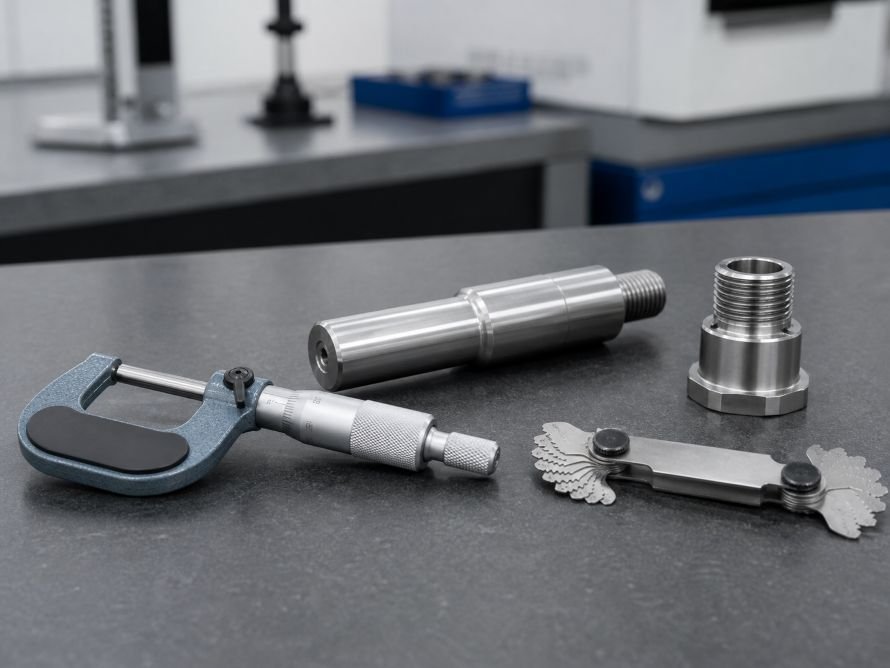
A well-prepared RFQ helps a supplier assess the project more efficiently. When available, provide:
- 2D drawings and 3D CAD files
- Material specification
- Required quantity and expected repeat volume
- Critical diameters, threads, and tolerances
- Surface-finish or coating requirements
- Inspection, packaging, and assembly requirements
- Any special delivery or compliance considerations
If the design is still being refined, identify the features that are critical to fit, function, and assembly. This allows the manufacturing review to focus on the requirements that matter most.
If you are evaluating a complete custom-part sourcing plan rather than the turning process alone, see our guide to sourcing custom CNC parts from China.
How Xiyu Supports Custom Hardware Projects
Dongguan Xiyu Hardware & Electronic Co., Ltd. supports custom manufacturing projects across CNC machining, CNC lathe machining, precision stamping, stamping mold design and manufacture, and sheet metal fabrication.
For projects that involve both machined and formed features, an early review can help determine whether turning, milling, stamping, sheet metal fabrication, or a combined process is more appropriate. Buyers evaluating a manufacturing partner can also review our guide on choosing a precision metal stamping manufacturer in China.
FAQ
What is the difference between CNC turning and CNC milling?
CNC turning rotates the workpiece and uses a cutting tool to produce round or cylindrical features. CNC milling rotates the cutting tool and is generally used for flat, prismatic, or more complex non-round geometry.
Is CNC turning suitable for prototype parts?
Yes. CNC turning can be used for prototype and low-volume parts because it can produce components directly from drawings or CAD files without requiring dedicated stamping molds.
What affects CNC turning cost?
Cost can be influenced by material, part diameter and length, geometry, tolerances, thread requirements, surface finish, setup complexity, machining time, quantity, inspection requirements, and secondary processes.
Request a CNC Turning Review
If you have a drawing, CAD file, material requirement, or early-stage component concept, send it to our team for an initial manufacturing review. We can help assess the appropriate process and prepare for a more effective RFQ discussion.