Welcome to XiYu

What Is Sheet Metal Fabrication?
Learn how flat metal sheets become custom brackets, panels, enclosures, and assemblies through cutting, bending, joining, finishing, and inspection.

Sheet metal fabrication is the process of turning flat metal sheet into functional parts and assemblies through controlled cutting, forming, joining, finishing, and inspection. It is widely used for enclosures, brackets, panels, covers, chassis components, and other custom hardware used in industrial, electronics, lighting, automotive, and consumer products.
For OEM buyers, sheet metal fabrication is not one single operation. It is a coordinated manufacturing route that begins with a drawing or CAD model and ends with parts that are ready for assembly, finishing, or delivery. Understanding the process makes it easier to prepare an RFQ, compare supplier capabilities, and identify design issues before production begins.
Core Operations in Sheet Metal Fabrication
A fabricated part may not need every operation, but most projects involve a combination of the following steps.
| Operation | Purpose | Typical Result |
|---|---|---|
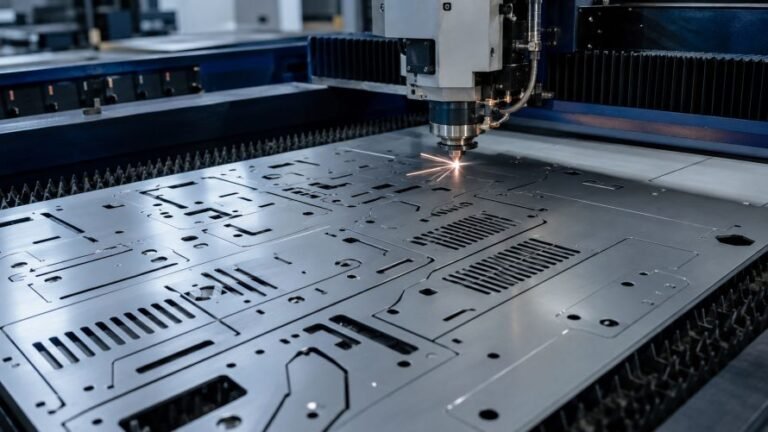
| Cutting | Creates the flat profile from sheet stock | Blanks, holes, slots, and cutouts |
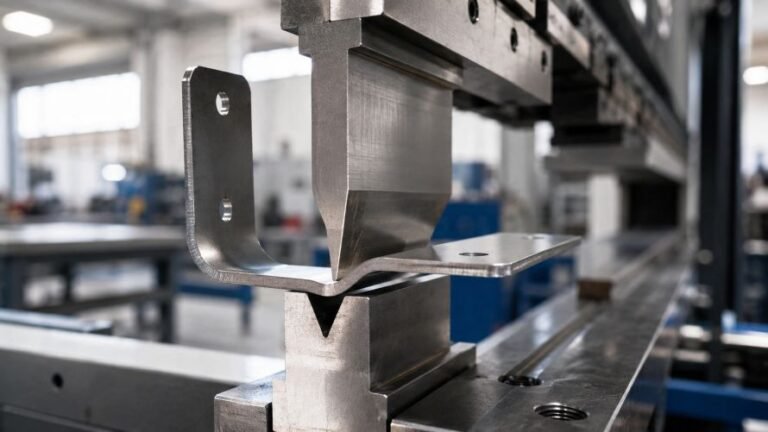
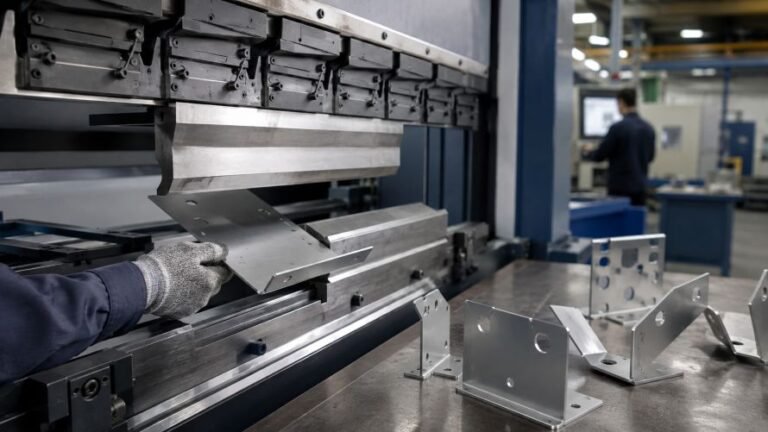
| Bending and forming | Changes a flat blank into a three-dimensional shape | Flanges, channels, brackets, and enclosure walls |
| Joining and hardware insertion | Combines components or adds functional features | Welded assemblies, fasteners, studs, and inserts |
| Surface finishing | Protects the part or provides the required appearance | Coated, plated, brushed, or otherwise finished surfaces |
| Inspection | Confirms critical dimensions and visual requirements | Parts ready for assembly or shipment |
Cutting may be performed by laser cutting, punching, shearing, or another method selected for the material, geometry, and project requirements. CNC press brake bending is commonly used to form angles, channels, and enclosure features after the flat pattern has been cut.
When a part requires repeated high-volume production and dedicated tooling is appropriate, precision metal stamping may be a better process. Sheet metal fabrication is often selected when the design needs flexibility, multiple features, or a combination of cutting, bending, hardware, and assembly operations.
A Typical Sheet Metal Manufacturing Process
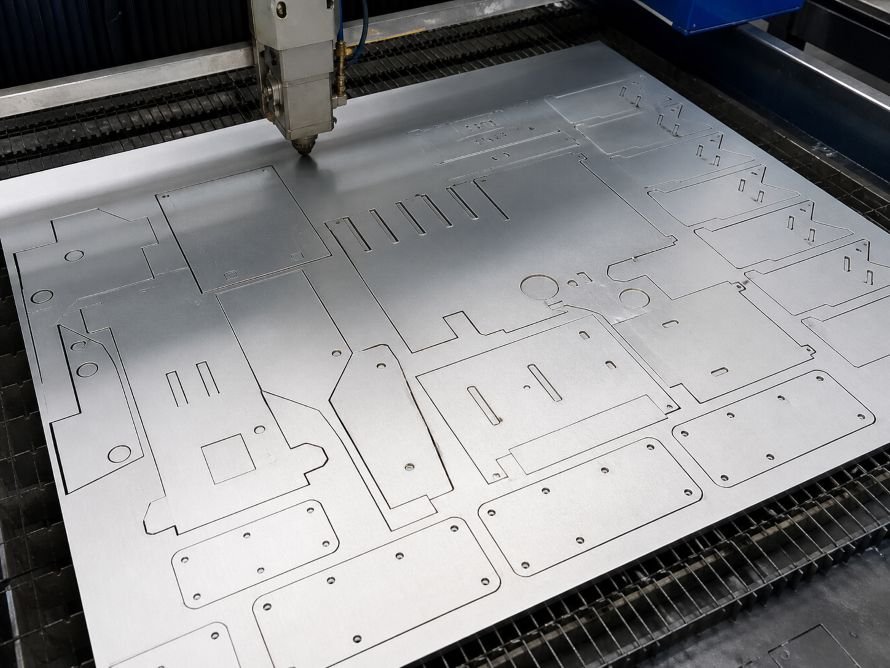
The workflow usually starts with a drawing review. Before material is cut, the manufacturer needs to understand the part geometry, material, thickness, critical dimensions, finish requirements, and assembly method. This is the stage where practical design-for-manufacturability feedback can prevent avoidable revisions later.
Next, the flat pattern is cut from the selected sheet material. Holes, slots, ventilation patterns, and outside profiles are typically created while the material is still flat. The blank is then bent or formed into the required three-dimensional shape.

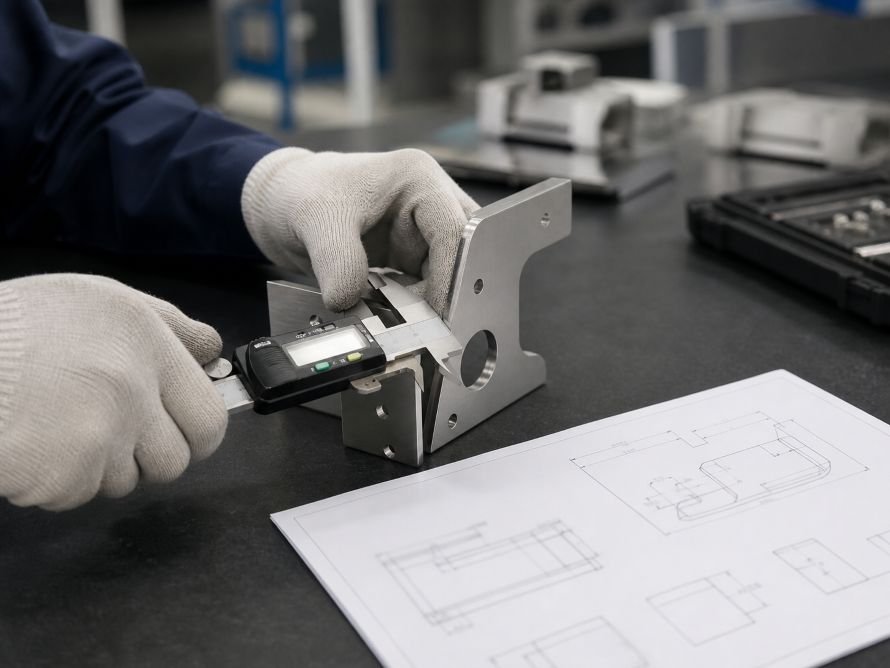
If the design includes multiple components, the next stage may involve welding, fastening, or hardware insertion. Surface finishing can follow when the project requires corrosion resistance, a specific appearance, or compatibility with the end product. Finally, the finished parts are inspected against the agreed drawing and quality requirements before packing.
Common Materials Used for Sheet Metal Parts
Material selection affects manufacturability, surface finish, corrosion performance, weight, and cost. Common choices include:
- Cold-rolled steel: Often selected for general-purpose brackets, panels, chassis, and structural hardware that may receive a protective finish.
- Stainless steel: Used where corrosion resistance, a clean appearance, or durability is important.
- Aluminum: A useful choice when lower weight and corrosion resistance are priorities.
- Galvanized steel: Commonly considered for parts that require a pre-coated steel surface.
The best material depends on the part’s working environment, required strength, finish, joining method, and total assembly requirements. A material decision should be reviewed alongside thickness, bend geometry, fastener selection, and finishing requirements rather than in isolation.
Where Is Sheet Metal Fabrication Used?
Sheet metal fabrication supports a broad range of OEM applications, including:
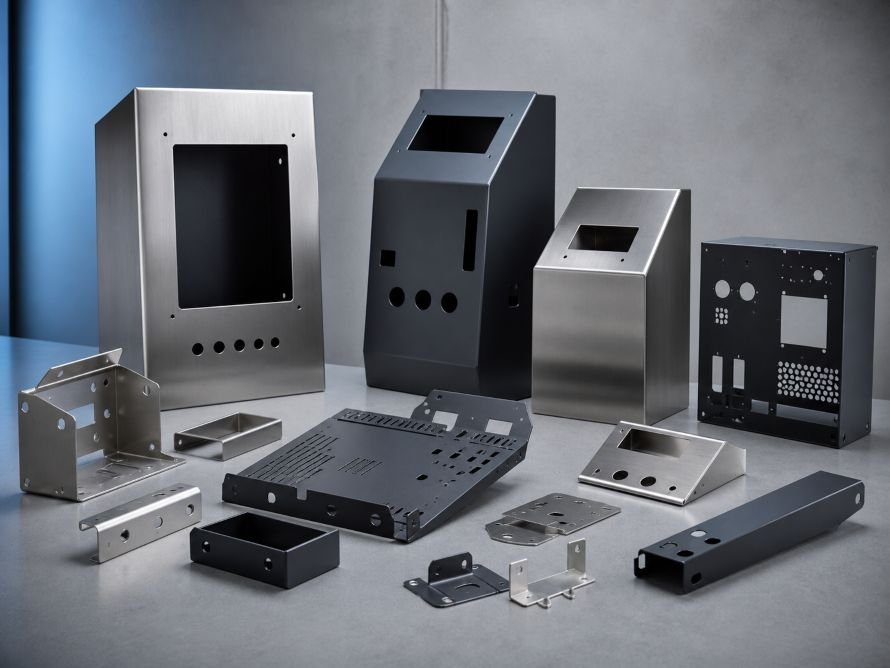
- Electrical and electronic enclosures
- Machine covers and guards
- Mounting brackets and support hardware
- Lighting housings and frames
- Control panels and chassis components
- Automotive and industrial equipment parts
- Custom covers, cabinets, and assemblies
The process is particularly useful when a part must combine functional cutouts, formed features, mounting points, and an assembly-ready structure.
What Should Buyers Include in an RFQ?
A clear RFQ reduces uncertainty and helps suppliers evaluate the project accurately. Wherever possible, provide:
- A current 2D drawing or 3D CAD file
- Material and thickness requirements
- Critical dimensions and tolerances
- Required finish, color, or corrosion-performance expectations
- Assembly, welding, hardware, or packaging requirements
- Estimated order quantity and delivery destination
- Any inspection, labeling, or documentation requirements
It is also helpful to identify which dimensions are critical to fit or function. This allows the manufacturing team to focus engineering attention on the areas that matter most to the final assembly.
Sheet Metal Fabrication Compared With Other Processes
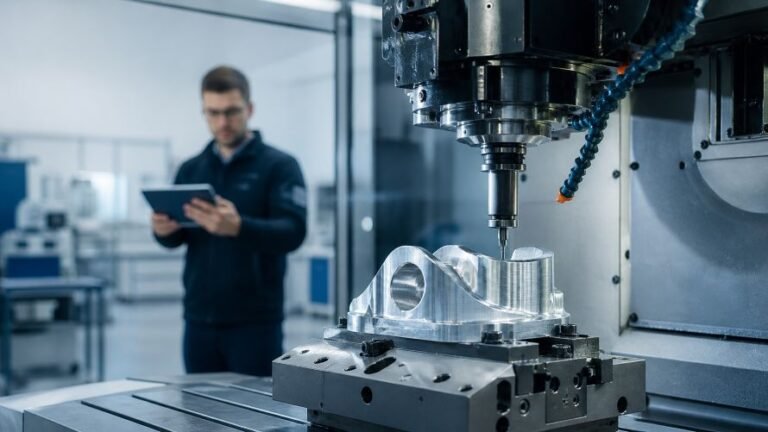
Sheet metal fabrication is one option within a wider manufacturing strategy. It is often suitable for parts that begin as flat material and need a combination of cut features, bends, joining, and finishing. CNC milling may be appropriate when a component requires features that are more effectively machined from solid material. For projects with recurring high-volume stamped parts, a tooling-based process may be considered instead.
The right choice depends on the part geometry, material, functional requirements, expected volume, and total cost of the finished assembly. Buyers with mixed-component projects can also review our CNC Machining in China buyer’s guide to understand how different processes may fit within one sourcing plan.
FAQ
What is the difference between sheet metal fabrication and metal stamping?
Sheet metal fabrication generally combines flexible operations such as cutting, bending, joining, and finishing. Metal stamping uses dedicated tooling to form or cut parts and can be appropriate when a design and production requirement support that approach.
Can sheet metal fabrication be used for prototypes and production parts?
Yes. The same process family can support different project stages, but the manufacturing approach should be selected according to the drawing, material, complexity, quality requirements, and expected production needs.
What information makes a sheet metal fabrication quote more accurate?
A current drawing or CAD file, material and thickness, critical dimensions, finishing requirements, quantity, and delivery needs give a supplier a stronger basis for evaluating the project.
Request a Quote for Custom Sheet Metal Parts
If you are sourcing custom sheet metal parts, send your drawing, material preference, quantity, and application requirements. Contact us to discuss a practical manufacturing route for your OEM or ODM requirements.