Welcome to XiYu

What Materials Can Be CNC Machined?

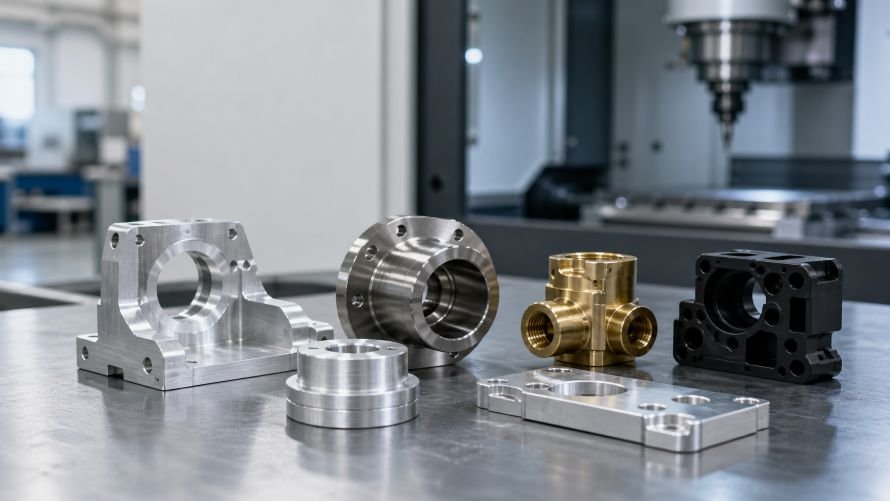
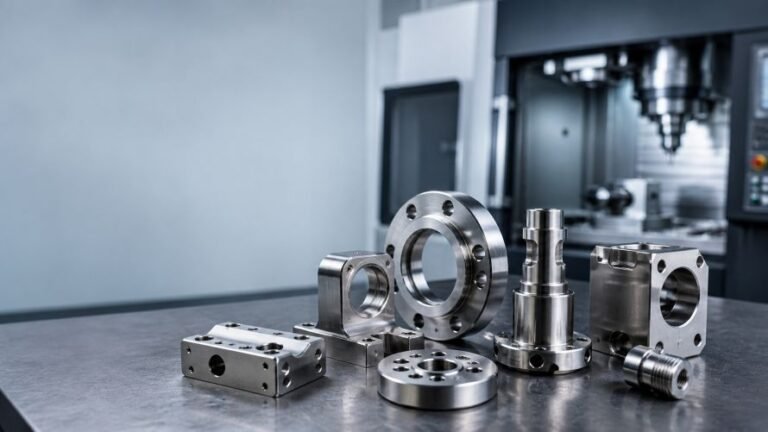
CNC machining can produce parts from a wide range of metals and engineering plastics. The best material is not simply the strongest or least expensive option. It should match the part’s function, operating environment, tolerances, surface requirements, production volume, and budget.
For buyers and engineers, material selection should happen early. It affects machining time, tooling approach, finishing options, lead time, and the total cost of the finished part. A material that appears economical per kilogram may become more expensive if it is difficult to machine or requires extensive post-processing.
This guide explains the most common CNC machining materials and how to compare them for a custom project.
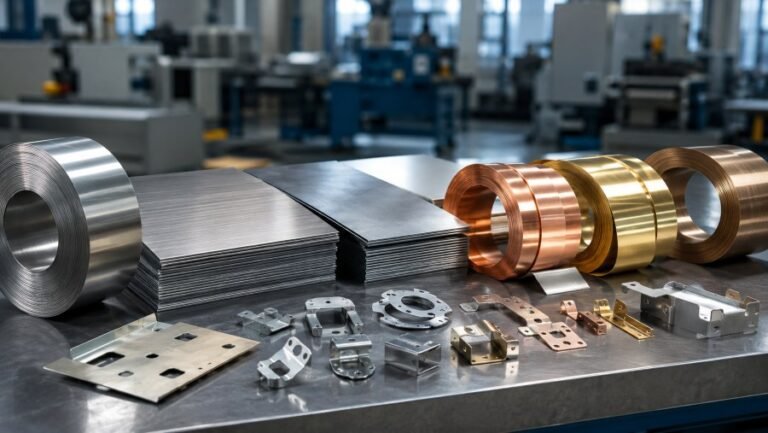
Common Metals for CNC Machining
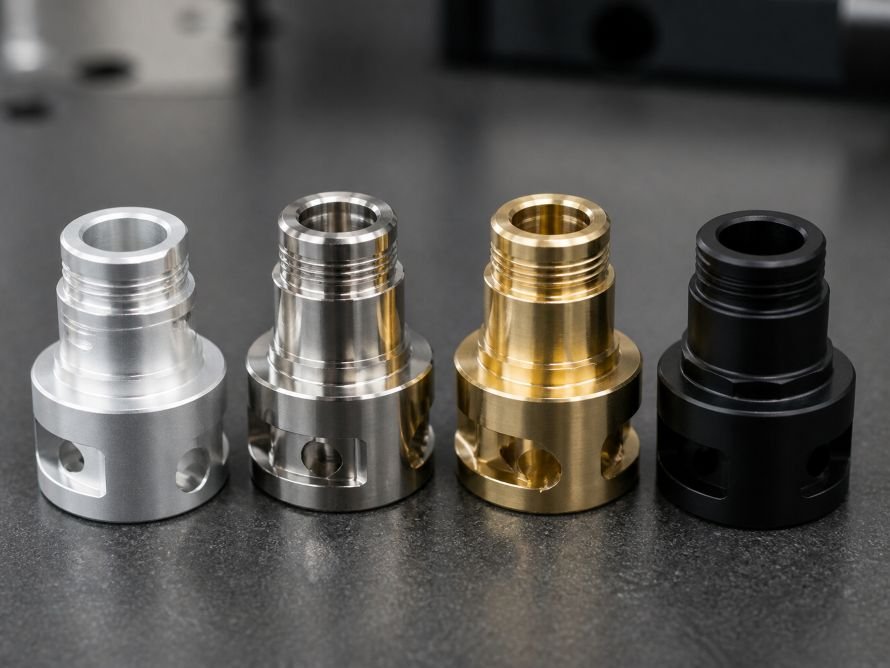
Metals are widely used for CNC-machined parts because they offer strength, heat resistance, conductivity, and long-term durability. The most suitable option depends on the application rather than a single “best” ranking.
| Material | Typical strengths | Common considerations |
|---|---|---|
| Aluminum | Lightweight, corrosion resistant, machinable | Strength and surface requirements vary by grade |
| Stainless steel | Strong, durable, corrosion resistant | Usually requires more machining time than aluminum |
| Carbon steel | Strong and cost-effective for many structural parts | May need coating or finishing for corrosion resistance |
| Brass | Good machinability and corrosion resistance | Material cost may be higher than basic steels |
| Copper | Excellent electrical and thermal conductivity | Softness can affect machining and handling |
| Titanium | High strength-to-weight ratio and corrosion resistance | More difficult to machine and often higher cost |
Aluminum
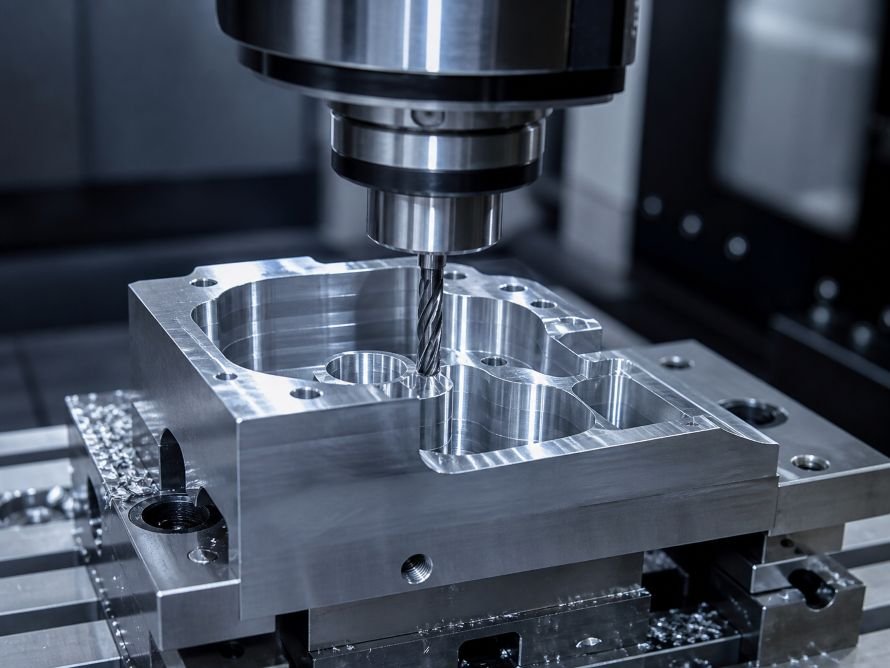
Aluminum is one of the most common CNC machining materials. It is relatively easy to machine, lightweight, and suitable for many industrial, electronic, automotive, and consumer-product applications.
It can be a practical choice when a part needs a good balance of weight, strength, and corrosion resistance. Aluminum is also often selected when surface finishing matters, since different finishing processes can improve appearance or add further protection.
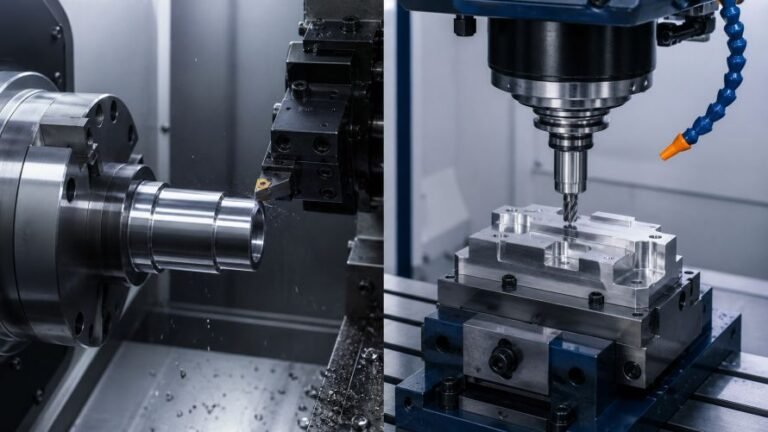
For projects using prismatic parts, pockets, holes, or complex milled features, it is useful to understand the process as well as the material. Our guide to CNC milling explains how these features are commonly produced.
Stainless Steel
Stainless steel is chosen when strength, corrosion resistance, and durability are important. It is widely considered for components exposed to moisture, chemicals, repeated handling, or demanding service conditions.
However, stainless steel can require more machining effort than aluminum. This can influence cycle time, tool wear, and the overall manufacturing cost. Buyers should therefore consider whether the required corrosion resistance and mechanical performance justify the additional machining complexity.
Carbon Steel and Alloy Steel
Steel can be a suitable option for structural parts, brackets, shafts, fixtures, and components that need robust mechanical performance. Carbon steel is often valued for strength and availability, while alloy steels may be considered when a project needs specific mechanical properties.
Corrosion protection should be evaluated at the design stage. Depending on the application, the part may require painting, plating, coating, or another finishing process after machining.
Brass and Copper
Brass is frequently used for fittings, connectors, valve-related components, decorative hardware, and electrical parts. It is known for good machinability and corrosion resistance. Copper is especially relevant where electrical or thermal conductivity is a primary design requirement.
Both materials should be selected based on the finished part’s function. For example, a conductive component may justify copper, while a precision fitting may benefit from brass. Material cost, part geometry, and finishing requirements should all be reviewed together.
Titanium
Titanium may be considered for applications requiring a high strength-to-weight ratio, corrosion resistance, or performance in demanding environments. It is often associated with specialized industrial, medical, aerospace, and high-performance applications.
Because titanium can be more challenging to machine, it is important to confirm the part design, material specification, and functional requirements before production. Clear drawings and realistic tolerances help reduce uncertainty during quotation and manufacturing planning.
Engineering Plastics That Can Be CNC Machined
CNC machining is not limited to metal. Many engineering plastics can also be machined into prototypes, functional parts, fixtures, housings, and low-volume production components.
| Plastic material | Typical strengths | Typical uses |
| ABS | Tough and practical for prototypes | Housings, prototype parts |
| Nylon | Wear resistance and toughness | Bushings, guides, mechanical components |
| POM / Acetal | Dimensional stability and low friction | Precision plastic parts, gears, fixtures |
| PC | Impact resistance | Protective components and enclosures |
| PEEK | High-performance thermal and chemical resistance | Demanding industrial applications |
| PTFE | Low friction and chemical resistance | Seals, insulation, specialized components |
Plastics require their own machining considerations. Heat buildup, clamping pressure, wall thickness, and dimensional stability can all affect the finished result. A design that works well in aluminum may need adjustment when made from plastic.
How Material Choice Affects CNC Machining Cost
The material itself is only one part of the total cost. The final quotation is shaped by how the material interacts with the part design and production requirements.
| Cost driver | Why it matters |
| Raw material price | Different metals and plastics have different purchase costs |
| Machinability | Harder or less stable materials may require more machining time |
| Part geometry | Deep pockets, thin walls, threads, and complex features can add time |
| Tolerance requirements | Tighter tolerances may require additional setup, inspection, or process control |
| Surface finish | Polishing, coating, plating, or other finishes add process steps |
| Order quantity | Prototype and repeat-production requirements may use different approaches |
A cost-effective material decision starts with the function of the part. Avoid specifying an expensive material simply because it is familiar, but also avoid selecting a lower-cost alternative if it cannot meet the required performance.
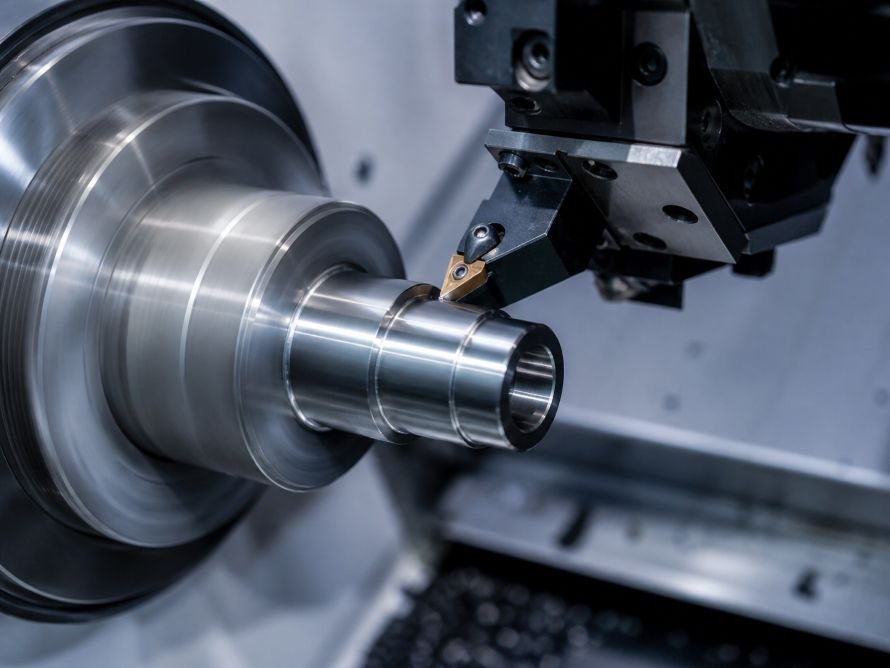
For parts with cylindrical profiles, threads, or concentric features, the manufacturing route may involve turning rather than milling. See what CNC turning is used for to understand where it fits.
Questions to Ask Before Selecting a Material
Before requesting a quotation, prepare answers to these questions:
- What load, temperature, corrosion, wear, or conductivity requirements must the part meet?
- Is low weight important?
- Does the part need a cosmetic surface finish?
- Which dimensions or features are functionally critical?
- Is this a prototype, a small production run, or an ongoing production project?
- Will the part be assembled with other materials?
- Are there material, compliance, or documentation requirements from the final market?
These details help a manufacturing partner assess whether the chosen material is suitable and whether the drawing can be optimized for machining.
CNC Material Selection and Process Selection
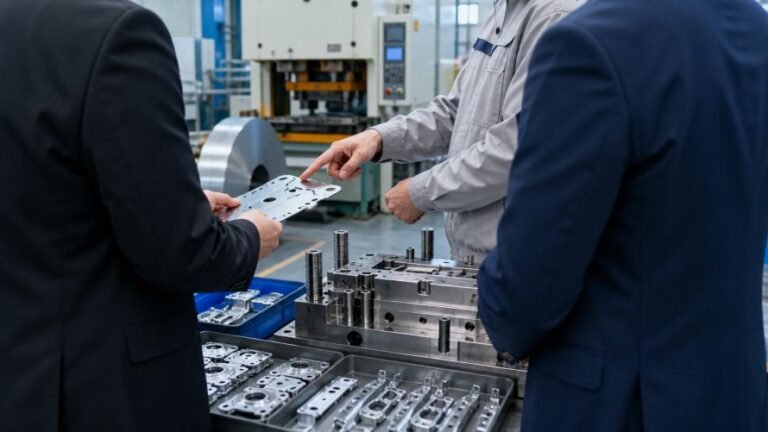
Material choice and process choice should be considered together. A machined part may be the right solution when it needs complex geometry, tighter control of key features, a prototype quantity, or a lower-volume production route. In other cases, metal stamping may be more suitable for repeat parts with appropriate geometry and volume.
For a broader comparison, read CNC turning vs. CNC milling when deciding how a part could be manufactured.To place material choice within a full sourcing plan—covering process, tolerances, cost, prototypes, quality checks, and supplier evaluation—see our broader CNC machining in China guide.
FAQ
What is the easiest metal to CNC machine?
Aluminum is commonly considered a practical material for many CNC-machined parts because it is lightweight and generally machinable. The right choice still depends on the part’s strength, corrosion, and finishing requirements.
Can CNC machining be used for plastic parts?
Yes. Many engineering plastics, including ABS, nylon, POM, PC, PEEK, and PTFE, can be CNC machined. The design and machining approach should account for heat, wall thickness, and dimensional stability.
Is stainless steel more expensive to machine than aluminum?
In many cases, stainless steel requires more machining effort than aluminum, which can affect machining time and cost. The final cost depends on the specific material, geometry, tolerances, and finishing requirements.
Should I choose material before sending an RFQ?
A preliminary material selection is helpful, but it is also useful to share the application requirements with your manufacturing partner. This allows the material and machining approach to be reviewed before production.
Discuss Your CNC Machining Project
Choosing the right CNC machining material involves more than selecting a metal or plastic from a list. A clear drawing, application requirements, expected quantity, and finishing needs will help turn an initial concept into a manufacturable part.
If you are sourcing custom machined parts, contact our team to discuss your drawing, material requirements, and project needs.