Welcome to XiYu

CNC Machining Stainless Steel: What Buyers Should Know

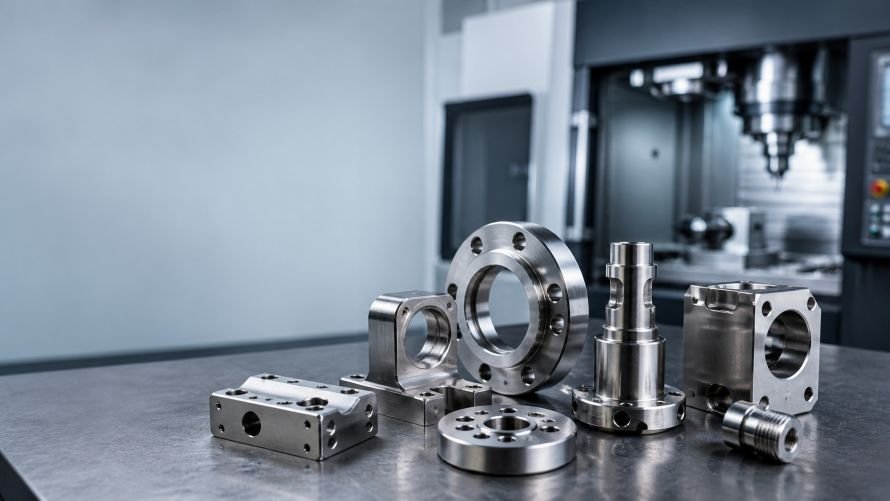
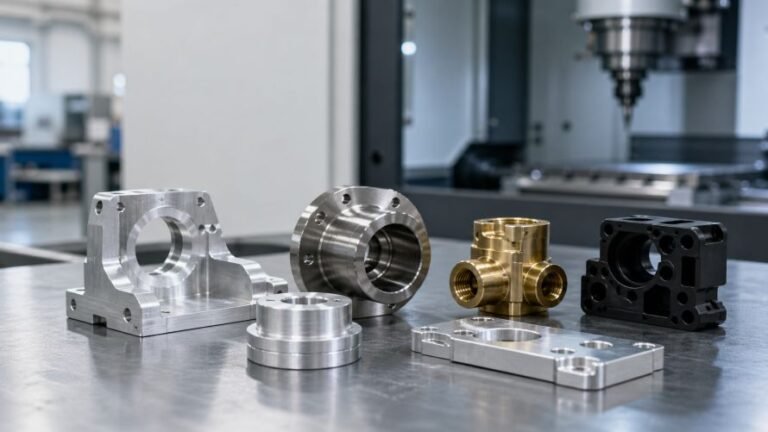
Stainless steel is widely specified for CNC machined parts because it combines corrosion resistance, strength, durability, and a professional-looking finish. It is used across industrial equipment, automation, electronics, medical-related devices, marine applications, food-processing equipment, and many other B2B products.
However, “stainless steel” is not one material. Different grades machine differently, perform differently in service, and affect production cost in different ways. For buyers, engineers, and sourcing teams, choosing the right grade and providing clear part information can make a significant difference to lead time, machining stability, and final part quality.
Why Choose CNC Machined Stainless Steel Parts?
CNC stainless steel machining is suitable when a part needs more than basic corrosion resistance. It is often selected for components that must withstand repeated handling, moisture, chemicals, mechanical loads, or demanding working environments.
Common reasons to choose stainless steel include:
- Good corrosion resistance for humid, wet, or chemically exposed environments
- High strength and wear resistance compared with many aluminum alloys
- A durable appearance for visible functional components
- Suitability for tight-tolerance shafts, housings, brackets, connectors, and precision hardware
- Compatibility with several surface finishing options, including polishing, brushing, bead blasting, and passivation
Material selection should always start with the part’s real working conditions. A grade that is appropriate for an indoor equipment enclosure may not be the best choice for a marine component or a part exposed to cleaning chemicals.
Common Stainless Steel Grades for CNC Machining
The most suitable stainless steel grade depends on corrosion exposure, strength requirements, machinability, finishing expectations, and budget.
| Stainless steel grade | Typical reason for selection | Machinability | Common considerations |
|---|---|---|---|
| 303 | Easier machining for precision parts | Good | Often selected for turned parts, fittings, and threaded features |
| 304 | General corrosion resistance | Moderate | A common choice for industrial and consumer applications |
| 316 | Improved corrosion resistance | Moderate to difficult | Often considered for marine, chemical, and high-moisture environments |
| 17-4PH | Higher strength and hardness potential | Moderate | May suit components requiring strength and dimensional stability |
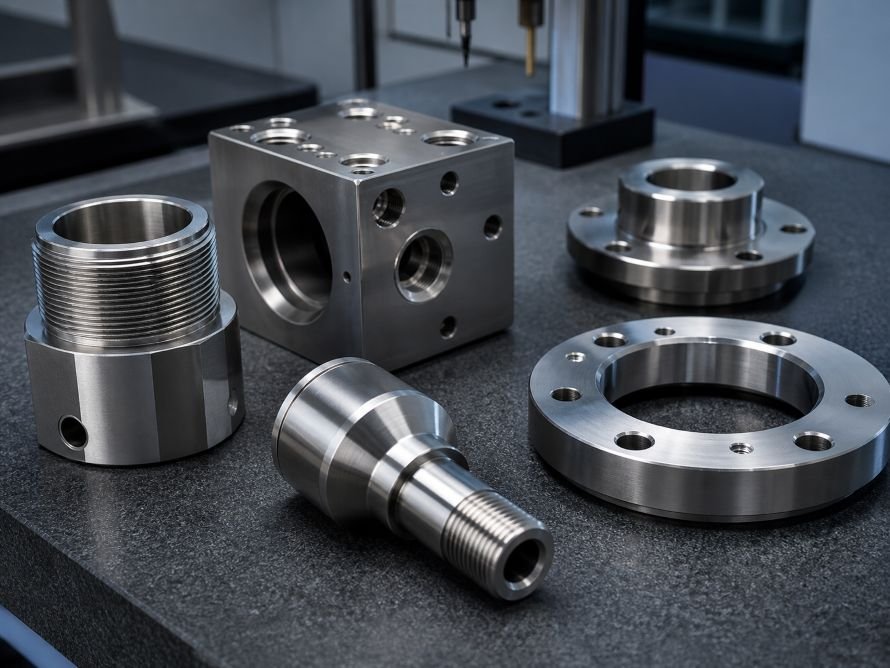
303 is often considered a practical choice when machinability is a priority. Its composition can support smoother chip control and more efficient CNC machining than some other stainless grades. It may be suitable for complex turned components, threaded parts, fittings, and small precision hardware.
304 is a widely used general-purpose stainless steel. It offers good corrosion resistance and is frequently specified for industrial, architectural, food-related, and equipment applications. Compared with 303, it can be more challenging to machine, especially when a design includes deep pockets, thin walls, or demanding surface requirements.
316 is commonly considered when corrosion resistance needs to be stronger than standard general-purpose stainless steel. It is often evaluated for parts used around saltwater, chemicals, or frequent washdown environments. Buyers should balance this performance requirement against potentially longer machining time and higher material cost.
17-4PH is frequently selected when higher strength is important. Heat treatment condition, hardness requirements, and dimensional tolerances should be clearly stated in the drawing or RFQ because these factors can affect machining strategy and inspection planning.
For a broader comparison of metals used in CNC work, see What Materials Can Be CNC Machined?.
Why Is Stainless Steel More Challenging to Machine?
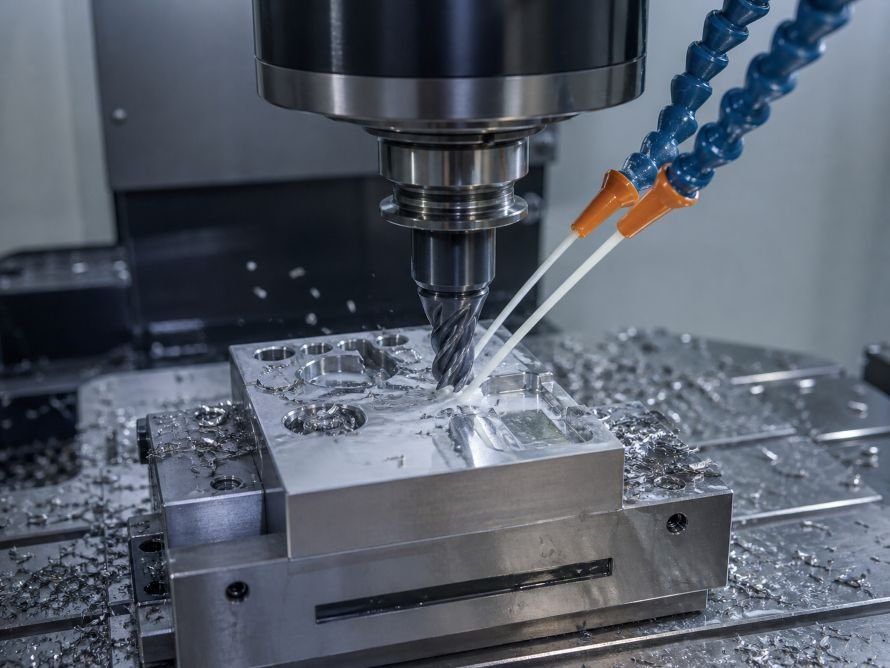
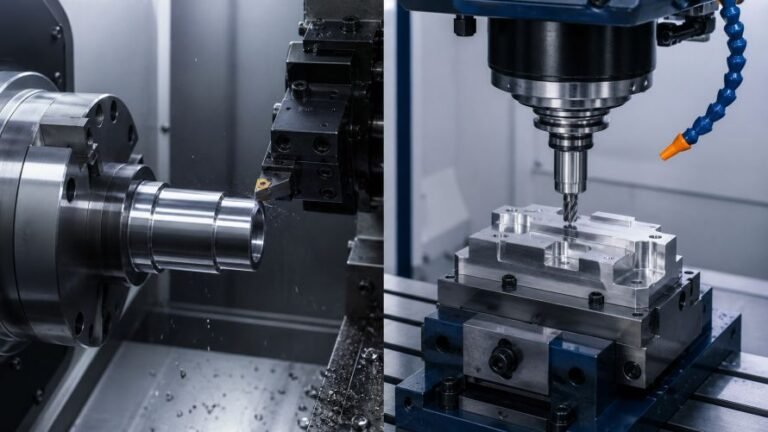
Stainless steel can be highly workable with the right process controls, but it is generally more demanding to machine than softer metals. It may work-harden during cutting, retain heat near the cutting edge, and create tougher chips. These characteristics can increase tool wear and affect cycle time.
Several factors are especially important:
Tooling and Cutting Strategy
Appropriate cutting tools, cutting parameters, and stable tool engagement help reduce the risk of excessive heat and premature tool wear. A machining supplier may adjust feeds, speeds, coolant use, and tool paths based on the selected grade and part geometry.
Part Rigidity
Thin walls, long unsupported features, and deep internal pockets may increase the risk of vibration or deflection. If a design includes these features, a supplier may need additional setups, custom workholding, or more conservative cutting parameters.
Tolerance Requirements
Very tight tolerances are possible, but they should be specified only where functional requirements justify them. Applying unnecessarily tight tolerances across an entire drawing can increase machining and inspection time without improving product performance.
Surface Finish Expectations
A CNC-machined surface, brushed finish, bead-blasted finish, polished surface, or passivated surface can each require a different process route. The requested finish should be defined clearly, especially for visible components or parts with corrosion-resistance requirements.
If your part may be better suited to a lower-density material, compare the requirements with CNC aluminum machining before finalizing the material specification.
Design Information That Helps Stainless Steel CNC Machining
Clear drawings and RFQ information reduce uncertainty before production begins. The following details help a machining supplier review manufacturability and provide a more useful quotation.
| Information to provide | Why it matters |
| Stainless steel grade or approved alternatives | Determines machining method, material cost, and expected performance |
| 2D drawing and 3D model | Clarifies geometry, dimensions, threads, and critical features |
| Critical tolerances | Helps prioritize inspection and machining controls |
| Surface finish requirement | Defines whether secondary finishing or passivation may be needed |
| Quantity and annual demand | Supports appropriate process and quotation planning |
| End-use environment | Helps assess corrosion-resistance and material suitability |
It is also helpful to identify which dimensions are critical to assembly, sealing, motion, or appearance. This allows the manufacturer to focus control measures where they add the most value.
For parts with milled pockets, profiles, slots, or multi-axis geometry, review the basics of CNC milling when preparing the design package.
What Drives Stainless Steel CNC Machining Cost?
Stainless steel machining cost is not determined by material price alone. The part design and quality requirements are usually just as important.
| Cost driver | Typical effect on the project |
| Material grade | Higher-performance grades can increase raw-material cost |
| Complex geometry | More setups, longer cycle time, or specialized tooling may be required |
| Tight tolerances | Adds machining control and inspection effort |
| Surface finishing | May add secondary operations and handling time |
| Small batch quantity | Setup cost is distributed across fewer parts |
| Difficult features | Deep holes, fine threads, thin walls, and sharp internal corners may increase time |
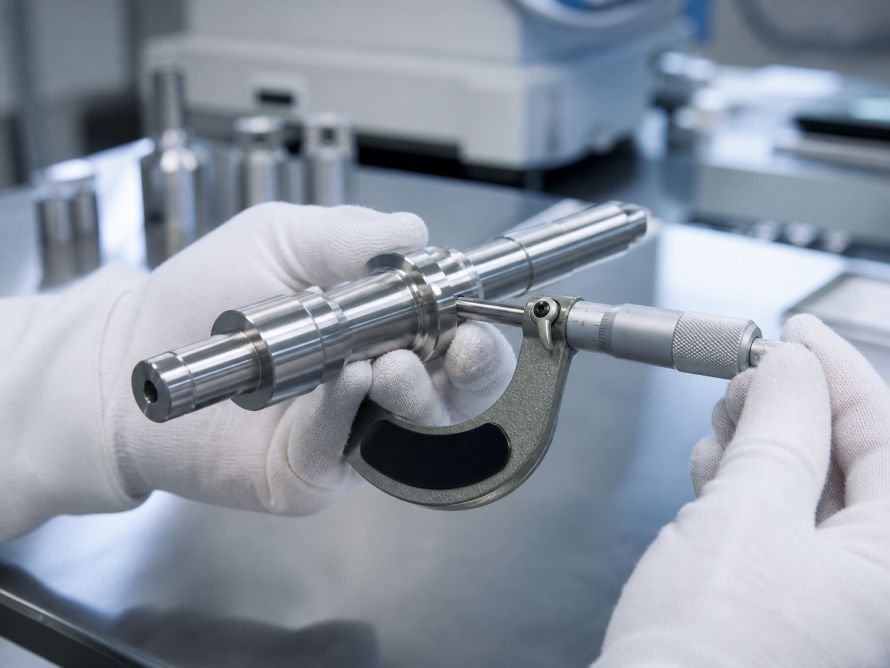
A cost-effective design does not necessarily mean reducing every requirement. Instead, it means matching material, tolerances, and finishing requirements to the part’s actual function.
For example, a component that only needs general indoor corrosion resistance may not require the same grade or surface treatment as a part exposed to chlorides, cleaning chemicals, or outdoor weather. Early design-for-manufacturing discussion can help identify such decisions before production.
Surface Finishes for Stainless Steel Parts
Surface finishing can improve appearance, remove minor machining marks, support cleaning requirements, or enhance corrosion performance. The appropriate finish depends on function and visual expectations.
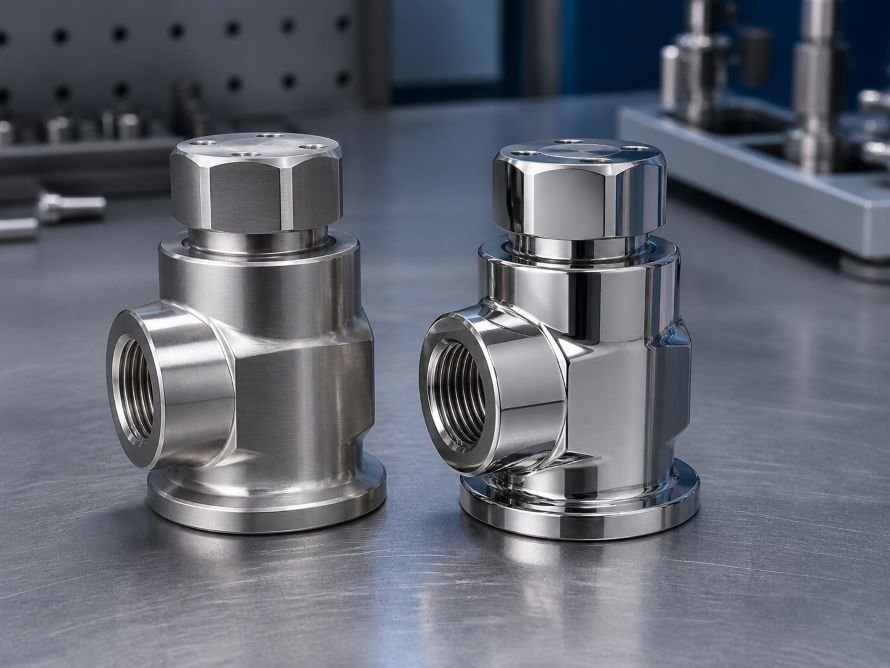
Common options include:
- As-machined: Suitable for many internal or non-visible functional parts.
- Brushed finish: Creates a directional satin appearance for visible surfaces.
- Bead blasting: Produces a more uniform matte appearance.
- Polishing: May be specified when a brighter cosmetic surface is required.
- Passivation: Can be considered when improving surface cleanliness and corrosion performance is important.
Finish requirements should be communicated with samples, reference photos, roughness specifications, or clear written descriptions whenever possible. Terms such as “smooth” or “high quality finish” can mean different things to different teams.
How to Prepare an RFQ for Stainless Steel CNC Parts
A complete RFQ helps avoid repeated clarification and makes it easier to compare supplier quotations on a like-for-like basis.
Include:
- Material grade and any acceptable alternatives
- PDF drawing with tolerances, threads, and key dimensions
- STEP, IGES, or another usable 3D file
- Required quantity for prototype, pilot, and production stages
- Surface finish, marking, and packaging requirements
- Inspection expectations or critical quality points
- Intended application and operating environment, where relevant
A useful quotation should consider not only the part price, but also material assumptions, finishing scope, lead time, and any design issues that may affect production consistency.
For a wider sourcing framework that connects material decisions with process selection, tolerances, cost, prototypes, quality checks, and supplier evaluation, see our CNC buyer’s guide for custom parts.
FAQ
Which stainless steel is easiest to CNC machine?
303 is often selected when machinability is a major priority, particularly for turned parts and threaded features. However, the final choice should also meet the corrosion-resistance, strength, and application requirements of the part.
Is 316 always better than 304 stainless steel?
Not necessarily. 316 may provide stronger corrosion resistance in certain environments, but 304 can be a more practical choice when the application does not require the additional performance. The correct selection depends on the working environment and product requirements.
Does stainless steel CNC machining cost more than aluminum machining?
In many cases, stainless steel requires more machining effort than aluminum because it is harder, can generate more heat during cutting, and may wear tools faster. Actual cost still depends on part geometry, tolerances, quantity, and finishing.
What should I send for a CNC stainless steel machining quotation?
Send a 2D drawing, 3D model, material grade, quantity, tolerance requirements, surface finish requirements, and any critical application details. The clearer the production information, the easier it is to evaluate manufacturability and quote accurately.
Need Support with a Stainless Steel CNC Project?
If you are sourcing CNC machined stainless steel parts, start with a complete drawing package and clear functional requirements. Early review of material, tolerances, geometry, and finishing can help reduce unnecessary cost and production risk.
Contact Xiyu Hardware to discuss your project requirements.