Welcome to XiYu

How to Reduce CNC Machining Costs Without Sacrificing Quality
Learn practical ways to reduce CNC machining costs through better part design, material choices, tolerances, setup planning and quantity decisions.

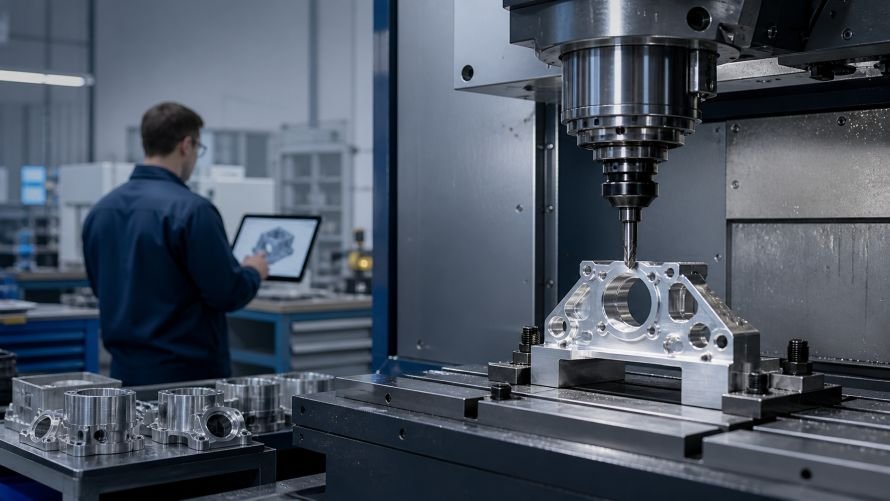
Cost reduction is an important part of any CNC machining project, but the lowest initial part price is not always the best outcome. Removing a necessary tolerance, changing a material without checking performance, or simplifying a feature that is critical to assembly can create quality problems later.
The practical goal is to reduce CNC machining costs by reviewing the design, material, tolerances, setup strategy, and production quantity before machining begins. When these decisions match the part’s actual function, buyers can often improve cost efficiency without compromising fit, reliability, or appearance.
Start With Design for Manufacturability
Part geometry has a direct effect on machining time. Features that require special tools, repeated repositioning, difficult workholding, or slow cutting strategies can increase cost.
A design-for-manufacturability review can identify opportunities before production starts.
| Design choice | Why it can increase cost | Practical approach |
|---|---|---|
| Deep narrow pockets | May require long-reach tools and slower cutting | Use practical depth-to-width ratios where possible |
| Sharp internal corners | Require smaller tools or secondary processes | Use functional internal radii when acceptable |
| Thin unsupported walls | Can increase vibration and machining risk | Keep wall thickness appropriate for the part function |
| Features on many sides | May require multiple setups | Consolidate features when it does not affect function |
| Non-standard holes or threads | Can require special tools or extra operations | Use standard sizes where the design allows |
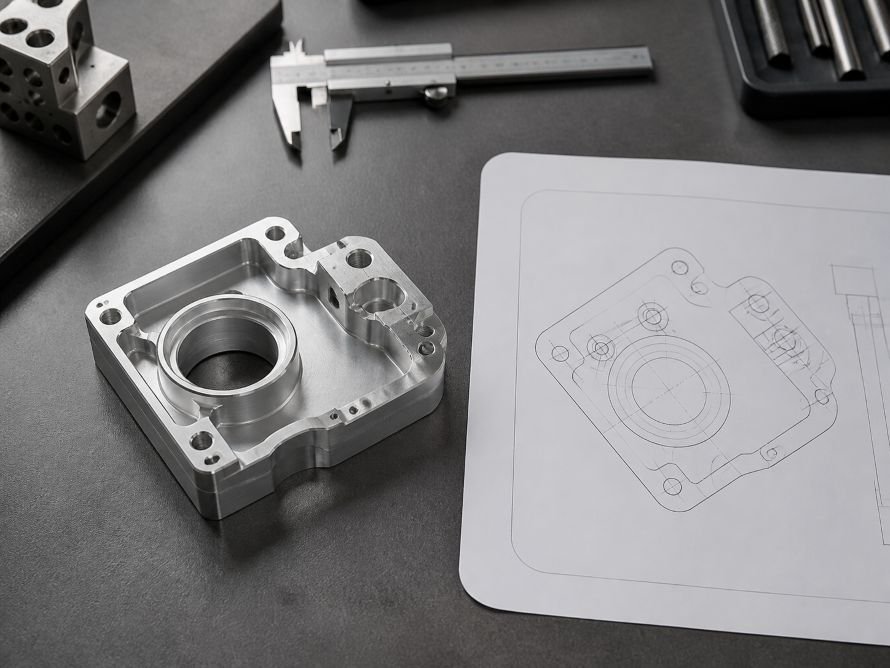
Not every part can be simplified. Medical, aerospace, automation, and precision assembly components may have features that are necessary for performance. The key is to distinguish between essential requirements and features that can be adjusted without changing the part’s function.
For components with pockets, profiles, holes, and multi-face machining, understanding the basics of CNC milling can help engineers prepare a more production-friendly drawing.
Choose Material Based on the Application
Material selection affects both raw-material cost and machining effort. A lower-cost material is not automatically the right choice if it cannot meet the strength, corrosion-resistance, temperature, wear, or appearance requirements of the end product.
| Material decision | Cost consideration | Quality check |
| Use a common compatible grade | May improve material availability | Confirm mechanical and environmental requirements |
| Select a more machinable option | Can reduce tool wear and cycle time | Check whether performance remains suitable |
| Avoid unnecessary premium grades | May reduce raw-material cost | Do not compromise corrosion or strength needs |
| Match material to finish requirements | Can prevent unnecessary secondary work | Confirm cosmetic and functional expectations |
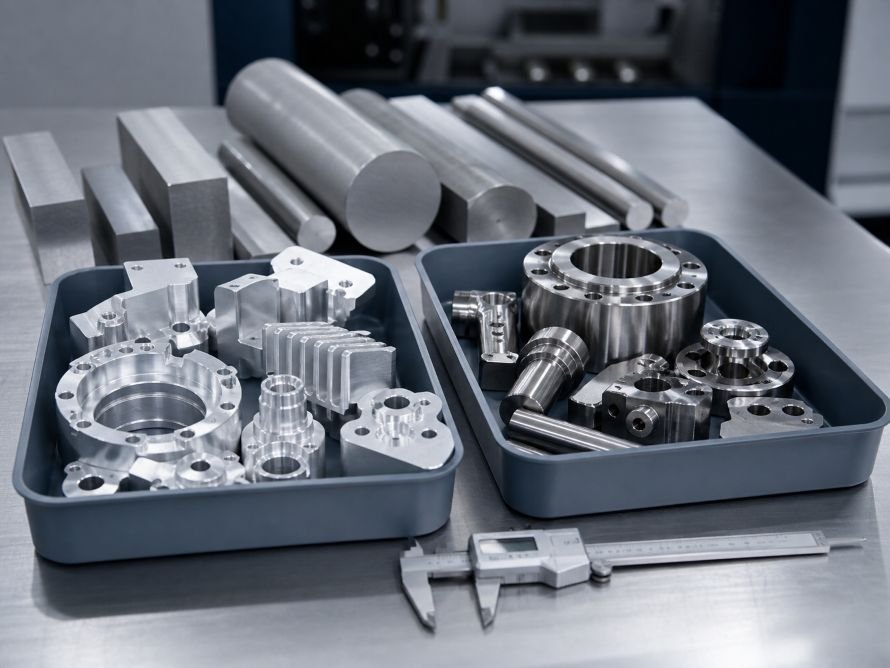
For example, aluminum may be a practical option when low weight and efficient machining are important. Stainless steel may be needed when corrosion resistance or higher strength is essential, even if machining effort is higher.
Review What Materials Can Be CNC Machined? when evaluating options. If stainless steel is being considered, CNC Machining Stainless Steel: What Buyers Should Know provides additional material-selection context.
Apply Tolerances Where They Matter Most
Tight tolerances can be necessary for a bearing fit, sealing surface, moving mechanism, or critical assembly relationship. However, assigning very tight tolerances to every dimension can increase machining and inspection time.
| Requirement | Cost impact | Better specification method |
| Tight dimensional tolerance | More controlled machining and inspection | Apply it only to function-critical dimensions |
| Geometric tolerance | May require additional measurement planning | Define the datum and functional relationship clearly |
| Fine surface roughness | May need special cutting or finishing | Specify it only on relevant surfaces |
| Full inspection report | Adds quality-control work | Identify the dimensions requiring formal records |
General dimensions can often follow an appropriate standard tolerance, while the drawing highlights only the features that control fit, sealing, motion, or appearance. This approach protects quality while reducing unnecessary production effort.
For a broader view of pricing drivers, see CNC Machining Cost: What Factors Affect Pricing?.
Reduce Setups and Use Production-Friendly Features
Every additional setup can add handling, alignment, workholding, and inspection effort. Parts that require machining from several sides may need multiple operations, especially when features cannot be reached in one clamping position.
Where design requirements permit, cost can be managed by:
- Keeping key features accessible from fewer orientations
- Using standard hole and thread sizes
- Avoiding unnecessarily complex internal geometry
- Grouping similar features to simplify tool paths
- Considering whether separate components can be designed for easier machining and assembly
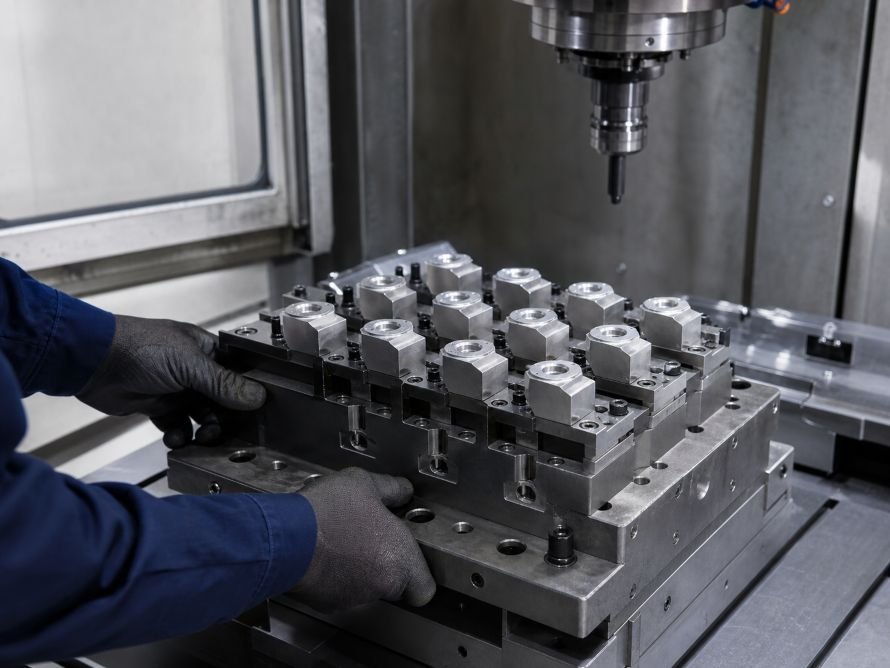
For repeat orders, a production-friendly design can also make it easier to use stable workholding and consistent machining methods. This is especially relevant when a project moves from prototypes to larger quantities.
Share Quantity and Demand Information Early
Quantity has a major effect on unit pricing because setup, programming, first-piece review, and process planning are often shared across the order quantity.
A prototype order and a recurring production order may use different cost assumptions. Sharing both the immediate requirement and estimated future demand helps a supplier evaluate suitable setup and production options.
This does not mean that every higher-volume project needs the same process. The right approach depends on part geometry, material, quality requirements, and expected demand. Early quantity information simply provides a better basis for evaluating cost.
Protect Quality While Reducing Cost
Cost reduction should preserve the requirements that make the part work correctly. Before accepting a proposed change, review how it could affect assembly, strength, corrosion resistance, surface appearance, repeatability, and inspection.
| Proposed change | Review before approval |
| Relaxing a tolerance | Does the change affect fit, sealing, or motion? |
| Changing material | Does the alternative meet the actual operating environment? |
| Removing a finish | Is the finish cosmetic, corrosion-related, or functional? |
| Combining features | Does the change affect assembly or maintenance? |
| Increasing batch size | Does storage, revision control, or demand support it? |
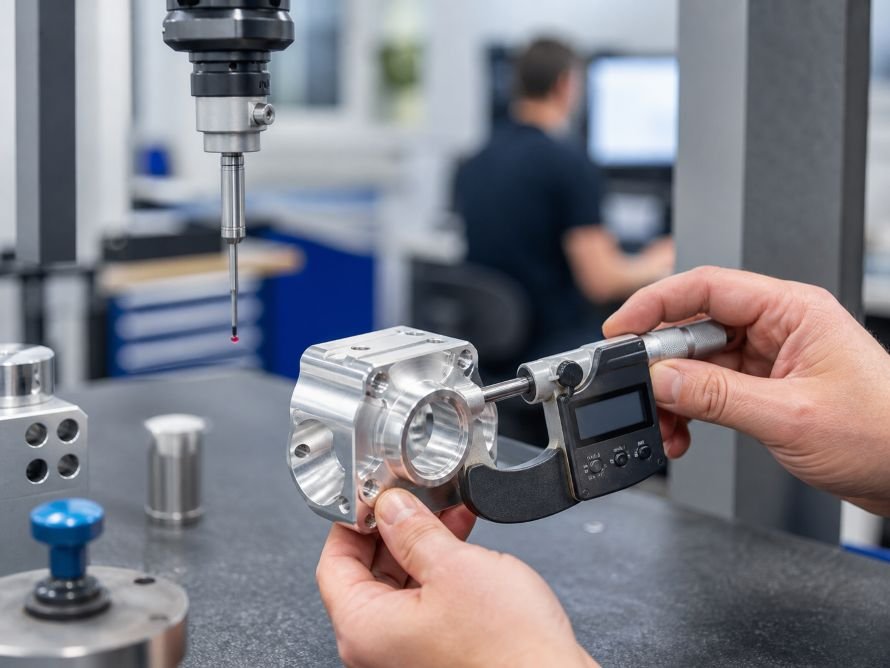
A useful engineering review focuses on the total project outcome, not only the unit price. Avoiding rework, assembly issues, and rejected parts can be more valuable than a small short-term saving.
When cost reduction is part of a wider sourcing decision, see our broader guide to CNC machining in China for process, material, tolerance, prototype, quality, and supplier-evaluation considerations.
Prepare a Clear RFQ
A complete RFQ helps suppliers assess manufacturability and quote the correct process from the beginning.
Include:
- A 2D drawing with critical dimensions, tolerances, threads, and finish notes
- A usable 3D model, such as a STEP file
- Material grade and any approved alternatives
- Prototype, pilot, and expected production quantities
- Surface finish and cosmetic requirements
- Inspection requirements and any critical-to-function features
- Relevant application details, where they affect material or quality decisions
Clear information reduces assumptions and makes quotations easier to compare on a like-for-like basis.
FAQ
What is the easiest way to reduce CNC machining cost?
Start with part design. Reducing unnecessary complexity, applying tight tolerances only to critical features, and using accessible geometry can lower machining time without changing the intended function.
Can changing material reduce CNC part cost?
It can, but only when the alternative material still meets the part’s functional requirements. Strength, corrosion resistance, temperature exposure, wear, and finishing expectations should be reviewed before making a change.
Do larger quantities always lower CNC unit cost?
Larger quantities can lower unit cost by spreading setup and programming work across more parts. However, the quantity should match realistic demand and inventory needs.
Should all dimensions have tight tolerances?
No. Tight tolerances should be reserved for features that affect fit, assembly, sealing, movement, or other critical functions. General dimensions can often use more practical tolerances.
Need Help Reviewing CNC Part Cost?
A review of the drawing, material, tolerances, finish, and quantity can identify practical cost-saving opportunities before machining starts.
Contact Xiyu Hardware to discuss your CNC machining requirements.