Welcome to XiYu

CNC Machining Tolerances: What Can You Achieve?
Learn what affects CNC machining tolerances and how to specify practical, cost-effective accuracy for critical dimensions and assembly features.

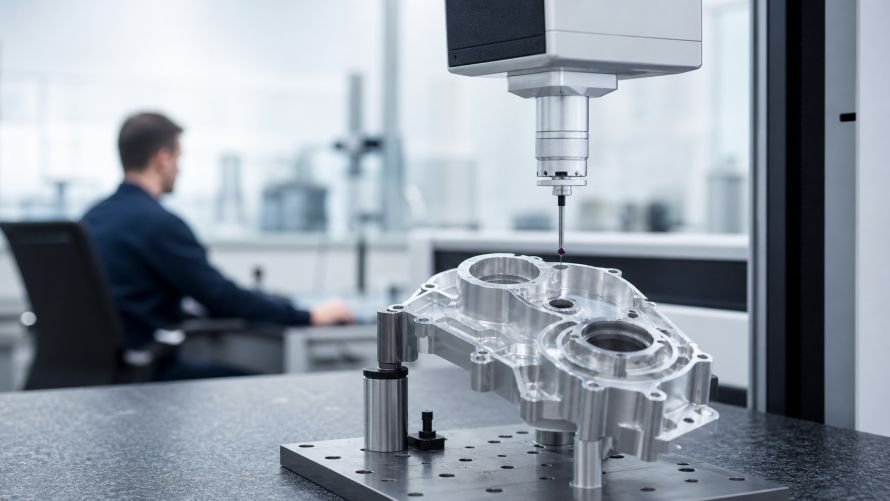
CNC machining tolerances describe how much a finished dimension is allowed to vary from its nominal drawing value. They are important because they affect whether a part fits, seals, moves, aligns, or performs correctly in an assembly.
However, there is no single tolerance level that applies to every CNC machined part. Achievable accuracy depends on the material, part geometry, machining process, workholding, feature type, inspection method, and the relationship between one feature and another.
For buyers and engineers, the most useful question is not simply, “How tight can you machine?” It is, “Which dimensions need tight control for this part to function correctly?”
What Do CNC Machining Tolerances Mean?
A tolerance sets the acceptable range around a nominal dimension. For example, a hole, shaft, pocket, or locating face may need controlled variation so that it works with a mating component.
Tolerance requirements can apply to more than a basic length or diameter.
| Tolerance type | What it controls | Typical application context |
|---|---|---|
| Dimensional tolerance | Size of a feature | Hole diameter, shaft diameter, overall length |
| Geometric tolerance | Relationship or form of features | Position, flatness, perpendicularity, concentricity |
| Surface requirement | Surface condition | Sealing face, sliding surface, visible part |
| Thread and fit requirement | Assembly relationship | Fasteners, mating threads, press or sliding fits |
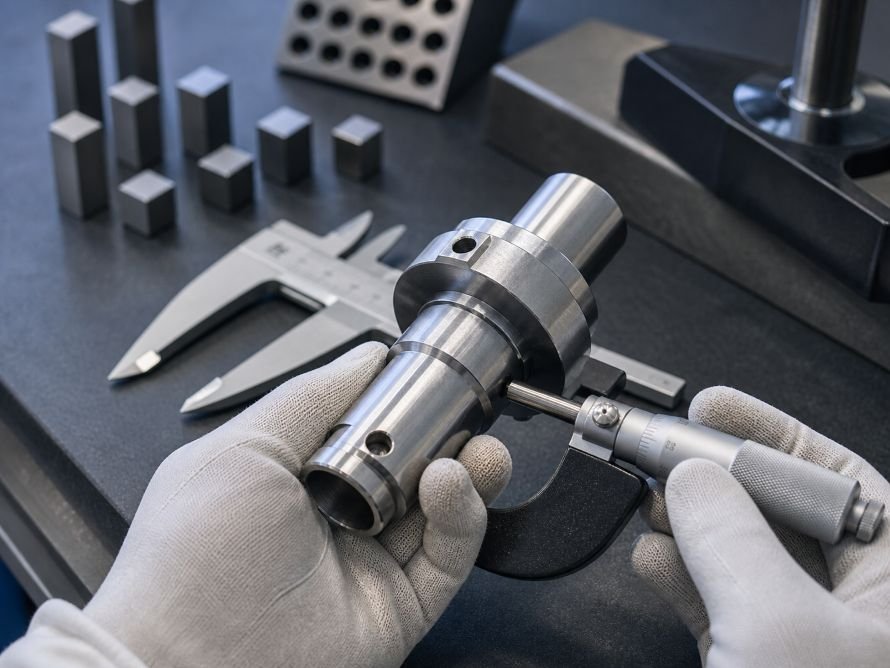
A drawing should make clear which requirements are critical to function. This helps the machining and inspection process focus on the dimensions that matter most.
What Affects Achievable CNC Accuracy?
CNC machining tolerances are influenced by a combination of part, material, and process factors.
| Factor | Why it matters |
| Material | Different metals respond differently to cutting forces and heat |
| Part geometry | Thin walls, deep cavities, and long features can be less stable |
| Feature accessibility | Difficult-to-reach features may require special tools or setups |
| Workholding | Stable fixturing helps reduce movement during machining |
| Machine setup | Additional setups can affect feature-to-feature relationships |
| Inspection method | Critical requirements need appropriate measurement planning |
For example, a compact and well-supported feature may be easier to control than a long, thin wall or a deep internal pocket. A part may also require different strategies for features machined from several orientations.
If your design includes pockets, profiles, and multi-face geometry, understanding the process behind CNC milling can help you identify where machining access and setup stability may matter.
Tight Tolerances Are Not Always Better
Tight tolerances should be used where they directly support function. Applying demanding requirements to every dimension can increase machining time, inspection effort, and overall cost without improving the final product.
| Requirement approach | Likely result |
| Tight tolerance on a sealing, fit, or locating feature | Supports functional performance |
| General tolerance on non-critical dimensions | Helps control cost and production efficiency |
| Tight tolerance on every feature | Can add unnecessary machining and inspection effort |
| Unclear tolerance callout | May lead to assumptions, clarification, or quotation delays |
A useful drawing distinguishes between critical dimensions and general dimensions. It can also identify the datums that control how features relate to each other.
For parts that must mate with shafts, housings, or other machined components, the relationship between features can be more important than an isolated dimension. Think about the final assembly, not only the individual part.
How to Specify Practical Tolerances
Before assigning a tolerance, consider what the feature needs to do in the finished product.
Ask these questions:
- Does this dimension control fit, movement, sealing, alignment, or safety?
- Does the feature mate with another part?
- Is the surface visible, sliding, or load-bearing?
- Does the dimension need to be measured and documented?
- Can the same function be achieved with a more practical tolerance?
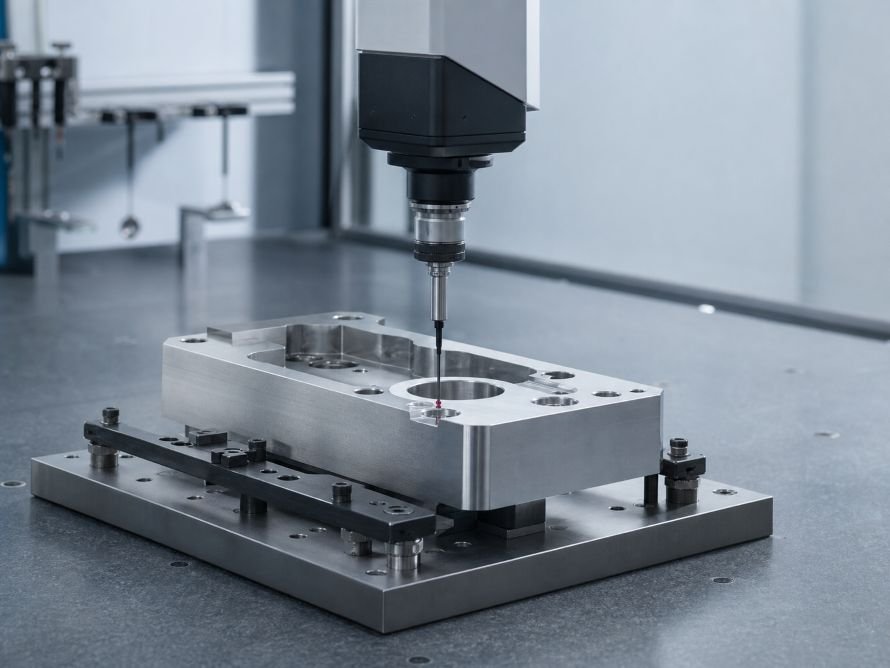
A clear drawing should include nominal dimensions, tolerance values where needed, material, relevant surface requirements, and any critical inspection points. If a feature has a geometric requirement, identify the datum structure and the functional relationship it controls.
Part Design and Setup Stability
Part rigidity and workholding can influence CNC machining tolerances. Thin walls, long unsupported features, and deep pockets may be more sensitive to cutting forces and heat. Complex parts can also require more than one setup, which makes careful feature referencing important.
Design choices that can support stable machining include:
- Using appropriate wall thickness for the part function
- Avoiding unnecessarily deep, narrow cavities
- Providing practical internal corner radii
- Keeping critical features accessible where possible
- Identifying which faces or holes should be used as reference datums
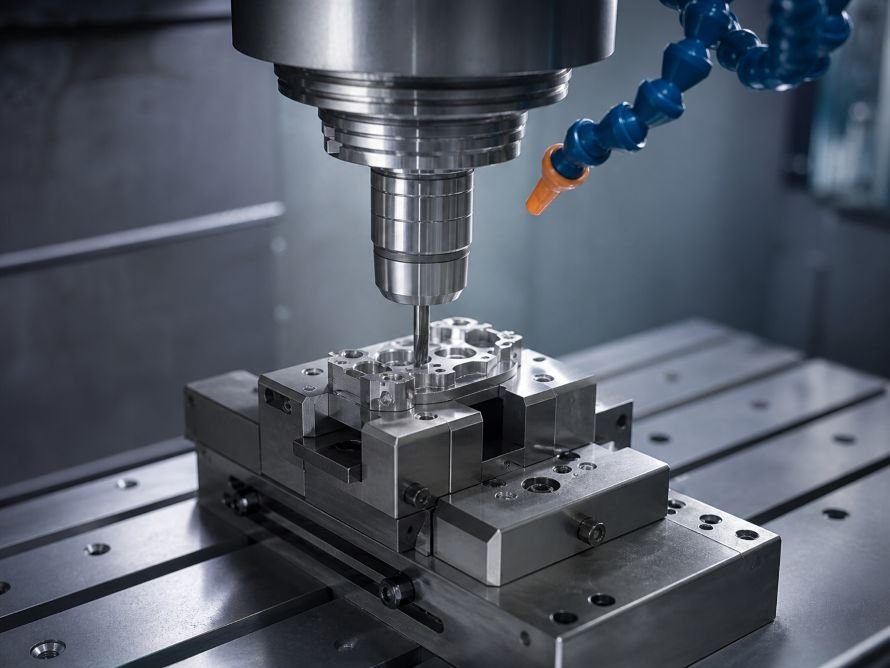
These are not rules for simplifying every part. They are design considerations that help engineers decide where a feature may need special process attention.
Tolerances and CNC Machining Cost
Tighter requirements can increase cost because they may require more controlled cutting, extra setups, additional inspection, or secondary finishing. The correct balance is to protect part function while avoiding unnecessary precision.
CNC Machining Cost: What Factors Affect Pricing? explains how tolerance, inspection, material, and geometry can affect part pricing. For practical cost-reduction guidance, see How to Reduce CNC Machining Costs Without Sacrificing Quality.
The goal is not to reduce quality. It is to define quality requirements precisely enough that the right controls are applied to the right features.
What Should Be Included in a Tolerance-Focused RFQ?
A complete RFQ helps a machining supplier review the part before quotation and production planning.
| Information to provide | Why it helps |
| 2D drawing with tolerances | Defines critical dimensions and feature relationships |
| 3D model | Clarifies geometry and machining access |
| Material specification | Helps assess stability and machining approach |
| Critical features | Focuses process and inspection planning |
| Surface finish requirements | Identifies functional and cosmetic expectations |
| Mating-part information | Helps evaluate fits and assembly relationships |
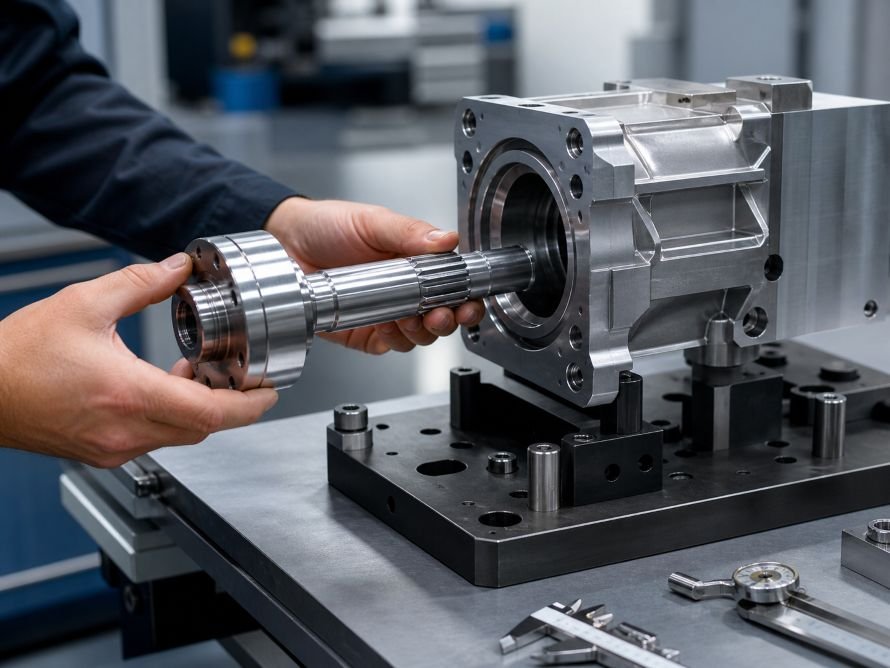
If a dimension is critical to fit or performance, explain its function where possible. This context can help prevent an overly loose or overly strict interpretation.
For a broader sourcing framework that connects tolerance planning with process selection, materials, cost, prototypes, quality checks, and supplier evaluation, see our custom CNC sourcing and RFQ guide.
FAQ
What is a standard CNC machining tolerance?
There is no single standard tolerance for every part. Suitable tolerances depend on material, geometry, feature type, part size, machining process, and function. A drawing should clearly identify critical requirements.
Can CNC machining achieve tight tolerances?
CNC machining can control many critical dimensions, but achievable accuracy depends on the part design and production conditions. Features that are thin, deep, long, difficult to access, or related across multiple setups may need additional planning.
Which CNC features are most difficult to control?
Deep internal pockets, thin walls, long unsupported features, small holes, fine threads, and features requiring precise relationships across multiple sides can be more challenging than simple accessible geometry.
Do tighter tolerances increase CNC machining cost?
They can. Tight tolerances may require more controlled machining, additional inspection, more setup time, or specialized measurement. Apply them where they provide a real functional benefit.
Need Support With a Tolerance-Critical Part?
A clear drawing, defined critical features, and practical tolerance requirements help reduce uncertainty before machining begins.
Contact Xiyu Hardware to discuss your CNC machining requirements.