Welcome to XiYu

What Causes Burrs in Metal Stamping Parts?
Learn what causes stamping burrs, how to identify the root cause, and how better Mold control and DFM help prevent burr-related issues.

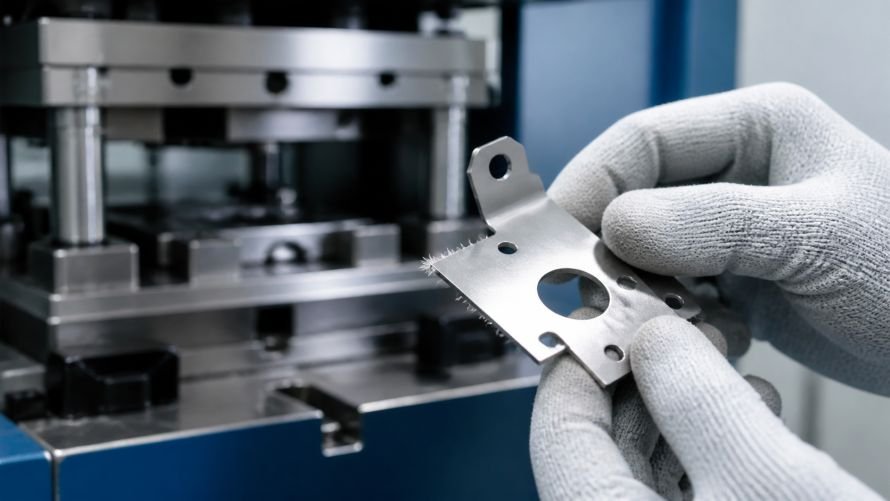
Stamping burrs are raised, sharp, or rough edges left on a metal part after cutting or forming. A small burr may be acceptable on a non-critical feature, but excessive burrs can create assembly problems, affect appearance, cause handling risks, or interfere with electrical and mechanical performance.
The best solution is to identify the source before relying on secondary finishing. Burr control begins with part design, material selection, Mold condition, process setup, and a clear inspection standard. Understanding the basics of precision metal stamping helps project teams address the cause rather than only the visible symptom.
What Is a Stamping Burr?
A burr is excess material displaced at a cut edge, hole, notch, or formed feature. During stamping, the material is sheared as it passes through the cutting features of the Mold. A clean edge depends on the relationship between the material, cutting geometry, and process conditions.
Not every edge has the same requirement. A hidden internal edge may need only practical control, while an edge near a mating part, electrical contact, cosmetic surface, or user-touch point may require more attention.
Common Causes of Stamping Burrs
Several conditions can contribute to burr formation. The following table is a useful starting point for troubleshooting.
| Possible Cause | How It Can Affect the Part | Practical Next Step |
|---|---|---|
| Mold wear | Cutting edges can lose their clean shearing action over time | Inspect the relevant Mold features and maintenance history |
| Incorrect Mold clearance | An unsuitable cutting relationship can produce rougher or more pronounced edges | Review the material, thickness, and cutting setup together |
| Material variation | Material properties and thickness can influence the shearing result | Confirm the material specification and incoming consistency |
| Part geometry | Small holes, narrow features, and close edge spacing may be more sensitive | Review critical features during DFM |
| Misalignment or setup variation | Inconsistent alignment can affect edge quality and repeatability | Check guide systems, setup controls, and first-piece inspection |
| Inadequate edge requirement | If the drawing does not define the functional edge expectation, acceptance can become unclear | Define burr direction, edge condition, or finishing needs where relevant |
How Mold Condition Influences Burr Control
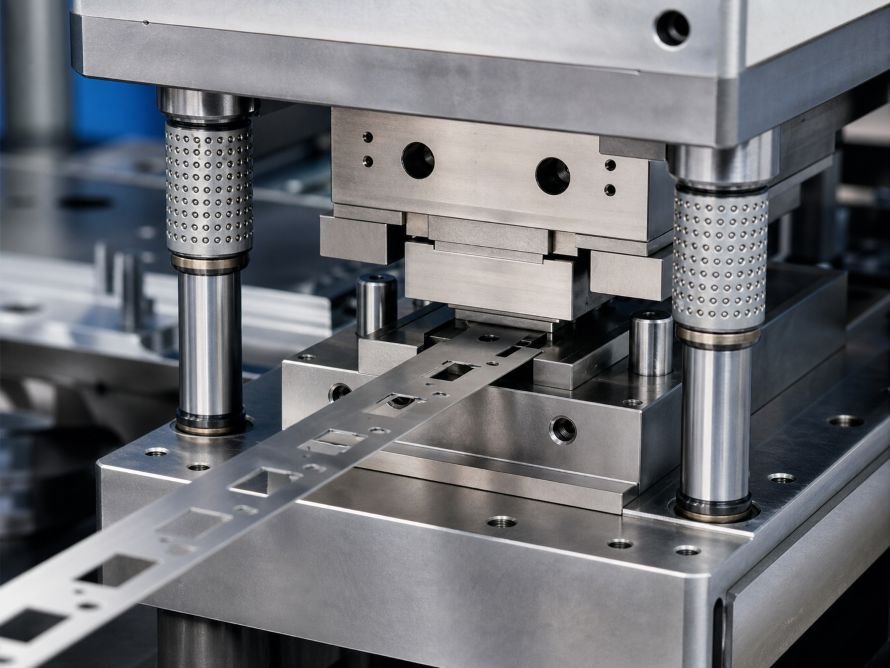
Mold condition is a major factor in burr control. Cutting features need to be designed, manufactured, maintained, and inspected as part of the production process. When an edge begins to show more burr than expected, it is useful to review the complete system instead of assuming one cause.
A structured review may include:
- The part material and thickness
- The affected edge or feature
- Mold condition and maintenance records
- Alignment and guide performance
- Production setup and first-piece results
- The inspection method and acceptance standard
For multi-step parts, the process sequence can also matter. A progressive Mold stamping process must keep each stage working consistently so the final part remains stable through the run.
Why Material Choice Matters
Different materials respond differently during cutting and forming. Strength, ductility, thickness, coatings, and surface condition can all affect the resulting edge. That is why material selection should be considered alongside the drawing and tolerance requirements rather than after the part design is complete.
For a broader review of material options and their manufacturing implications, see common metal stamping materials. If the edge condition affects fit or functional location, the requirement should also be reviewed with the part’s overall metal stamping tolerances.
Can Deburring Solve the Problem?
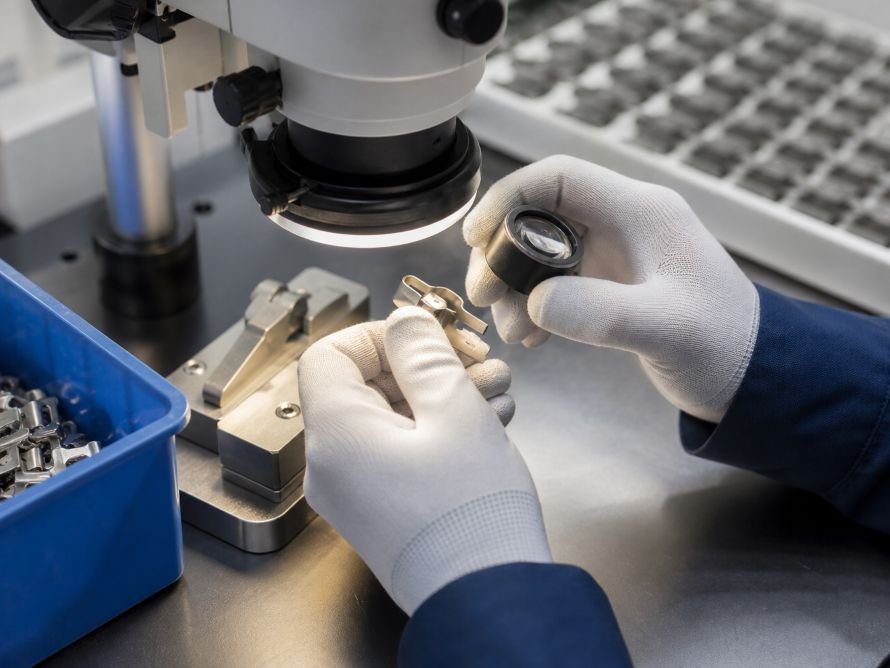
Deburring can be an appropriate finishing step when the part requirement calls for it. However, it should not automatically replace investigation of a recurring burr issue. If excessive burrs result from Mold wear, process variation, or an unclear drawing requirement, secondary finishing alone may add cost without fully resolving the source.
A better approach is to decide early:
- Which edges are functionally critical
- Whether burr direction matters
- Whether a secondary finishing step is required
- How the edge condition will be inspected
- What level of variation is acceptable for the application
This makes the manufacturing plan clearer for both the buyer and the production team.
How to Prevent Burr Problems Before Production
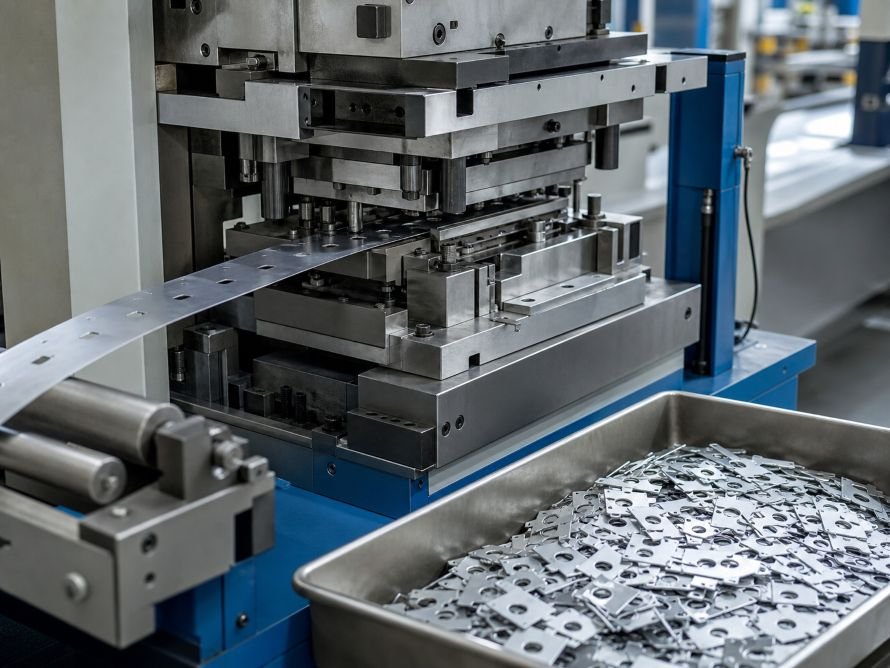
The most effective time to address burr risk is before production release. A practical DFM review can identify features that need special attention and help set realistic inspection expectations.
When submitting a stamping project for review, provide:
- A current drawing with revision status
- Material and thickness requirements
- Critical edges, holes, and assembly features
- Burr direction or edge-condition expectations where needed
- Mating-part information for fit-sensitive areas
- Expected production volume
- Any cosmetic, safety, or electrical-contact requirements
Clear information helps the manufacturer choose an appropriate Mold strategy, process sequence, and quality-control approach. Before placing an order, buyers should also confirm how the supplier plans Mold maintenance, process control, and inspection. How to choose a precision metal stamping manufacturer in China.
FAQ
Are stamping burrs always a defect?
No. The acceptable edge condition depends on the part’s function, application, and drawing requirements. A burr becomes a problem when it affects fit, safety, appearance, electrical contact, or another critical requirement.
Does a burr always mean the Mold needs replacement?
Not necessarily. Mold wear is one possible cause, but material variation, setup conditions, alignment, geometry, and clearance should also be reviewed before deciding on corrective action.
Can all stamped parts be made completely burr-free?
A practical edge requirement should be defined for the application. Some parts may need secondary finishing or closer process control, while others can accept a normal production edge condition.
Should burr requirements be included on the drawing?
Yes, when edge condition matters to assembly, safety, appearance, sealing, or electrical performance. Clear requirements help avoid different interpretations during production and inspection.
Discuss Burr Control Before Your Next Stamping Run
If your stamped part has a critical edge, share the drawing, material, thickness, and acceptance requirement before production. Xiyu Hardware can review the part for manufacturability, Mold considerations, inspection planning, and practical burr-control options.